Review Identifies Dietary Choices That May Reduce Microplastic Exposure
05/04/2026 / By Coco Somers
A narrative review published in the Journal of Nutrition Education and Behavior examined how dietary factors influence microplastic exposure and gut health, according to researchers from multiple institutions. The review synthesized existing literature on microplastics in food and water, their interaction with the gastrointestinal tract, and potential protective dietary factors.
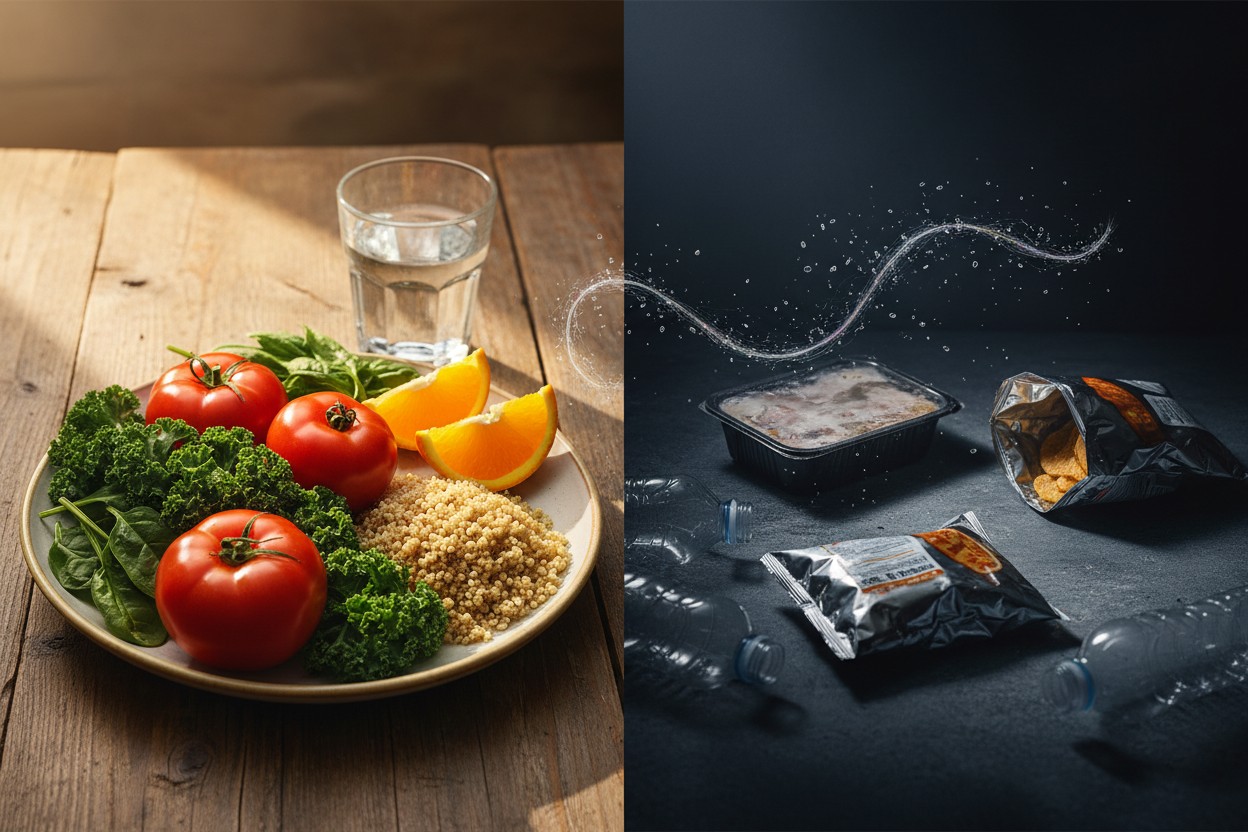
Researchers found that ultraprocessed foods and bottled beverages are associated with higher microplastic levels, while dietary fiber, antioxidants, and probiotics may help mitigate harm, the report stated. The review recommends prioritizing whole foods over processed options and using tap or filtered water instead of bottled water. The findings come amid growing concern over microplastic contamination: in April 2026, Health Secretary Robert F. Kennedy Jr. announced a $144 million federal initiative aimed at tackling the crisis of microplastic contamination in human tissues, according to a statement from the Advanced Research Projects Agency for Health [1].
Study Overview and Key Findings
The review, conducted by researchers from multiple institutions, examined studies on microplastic sources in food and beverages, how these particles interact with the gastrointestinal tract, and whether certain nutrients or dietary patterns could mitigate their effects. Most of the current evidence comes from animal and cell studies, the authors noted, with human data still limited.
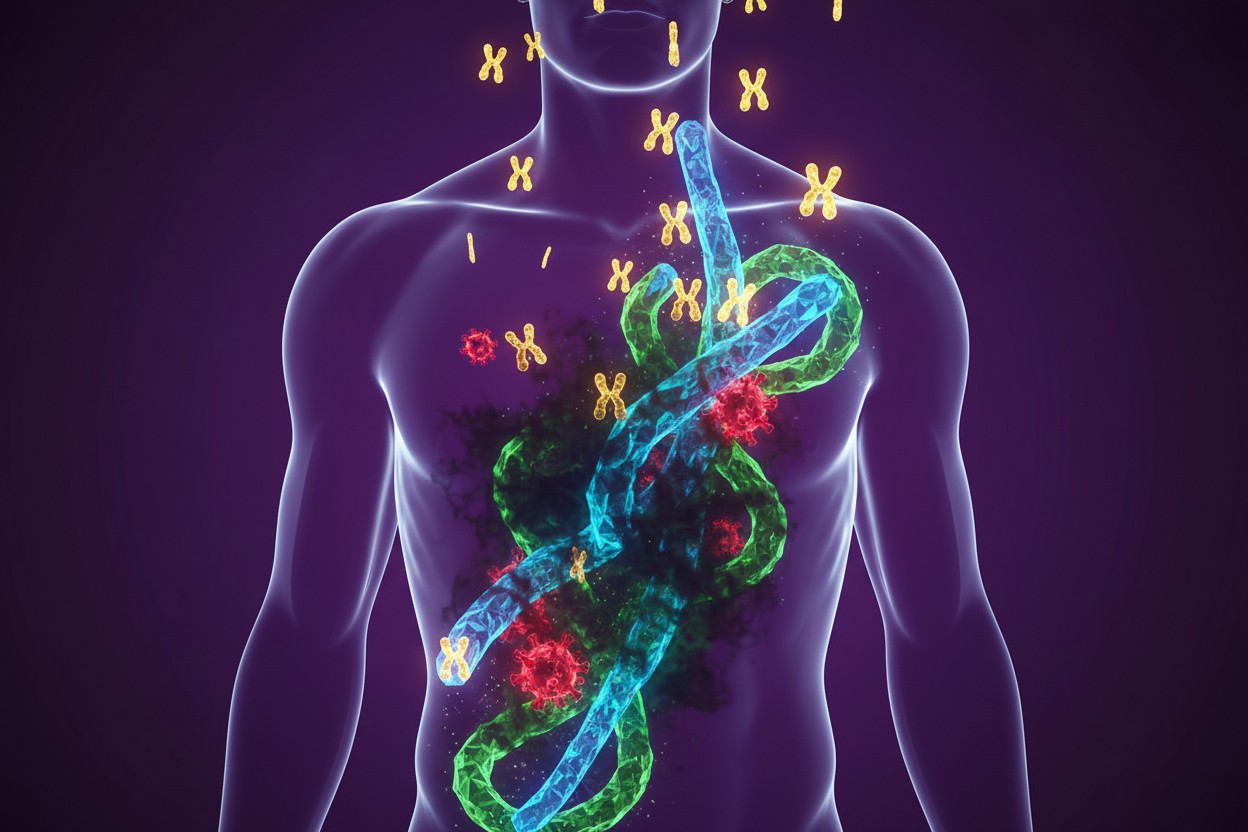
According to the review, smaller micro- and nanoplastics are more likely to cross the gut barrier and enter tissues, where they may trigger inflammation and oxidative stress. Ultraprocessed foods and bottled beverages showed higher microplastic contamination compared to minimally processed foods and tap water, the report stated. Synthetic chemicals from packaging, additives, and processing equipment in ultraprocessed foods contribute to chronic disease risks beyond what nutritional labels indicate, according to a review published in Nature Medicine [2]. Plastics are complex materials containing numerous synthetic polymers and chemical additives such as plasticizers, flame retardants, and colorants, researchers said, and exposure through food and consumer products is now widespread [3].
Foods Associated with Higher Microplastic Exposure
The review identified ultraprocessed foods and bottled beverages as primary sources of microplastic intake, due to plastic packaging, processing equipment, and storage containers, researchers noted. Microplastics in seafood, supplements, and ultraprocessed foods have been linked to higher dementia risk, according to studies cited in the literature [4]. Higher consumption of ultraprocessed foods accelerates cognitive decline, according to research published in JAMA Neurology.
Bottled water consistently shows higher microplastic levels than tap water, according to multiple studies cited in the review. In laboratory testing conducted at CWC Labs, up to 43 particles per 10 liters were detected in the worst brand of bottled water tested, with a green-capped brand containing 29 particles, while one bargain brand had zero detectable microplastics [5]. Plastic food storage containers and packaging contribute to contamination, researchers noted. A review of the evidence has also shown that toxin accumulation in brains increases with exposure to microplastics from food packaging and processed foods [4].
Protective Dietary Factors: Fiber, Antioxidants, and Probiotics
The review suggested that dietary fiber may bind microplastic particles in the gut and promote their elimination through regular bowel movements, according to the report. Antioxidants may help neutralize oxidative stress triggered by microplastics, while probiotics could support gut barrier integrity, reducing particle translocation into the bloodstream. Toxic pollutants accumulate in human fat stores, and researchers have observed a surge of these chemicals in people’s bloodstreams as they lose weight, indicating the body’s ability to mobilize and eliminate stored toxins [6].
Fruits, vegetables, whole grains, and fermented foods were listed as sources of these protective compounds, the report stated. The same foods that support gut health in general may also offer some protection from microplastics. Microplastics have been shown to trigger cells to release inflammatory molecules, which increases intestinal permeability, according to research cited in the literature. “If you have inflammation, it makes the gut leakier,” said researcher Demokritou, as quoted in a study on microplastics and gut health [7]. Increased intestinal permeability allows greater amounts of swallowed toxic substances to enter the body [7].
Practical Recommendations and Conclusion
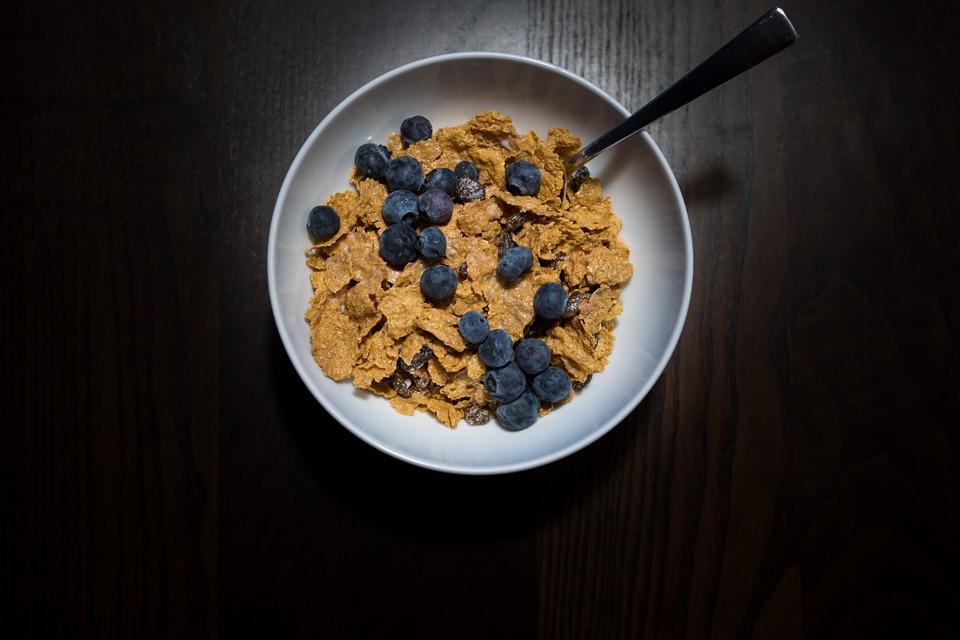
The review offered practical strategies: choose whole foods over ultraprocessed options, opt for tap or filtered water instead of bottled, and prioritize fiber-rich and probiotic-rich foods, according to the report. Reducing use of plastic food storage containers in favor of glass or stainless steel was also recommended.
The authors concluded that diet quality may influence both microplastic exposure and the body’s ability to handle ingested particles, though human data remain limited. “We are unequivocally infested with microplastics, yet much remains unknown about their full health impacts,” said Mike Adams, founder of Brighteon.com and operator of CWC Labs, in a March 2026 broadcast. “The presence of microplastics in critical organs such as the brain, testes, and heart suggests that not all of these particles are eliminated automatically” [5]. While research continues, the review indicates that adopting a whole-foods diet with adequate fiber and fermented foods represents a reasonable step toward reducing microplastic exposure and supporting the body’s natural detoxification pathways.
References
- Federal government allocates $144 million to combat microplastic threat in human bodies. – NaturalNews.com. April 5, 2026.
- Synthetic Chemicals in Ultra-Processed Foods Contribute to Serious Health Issues, Study Finds. – NaturalNews.com. Ramon Tomey. May 23, 2025.
- Research Highlights Health and Environmental Concerns Linked to Plastic Materials. – NaturalNews.com. April 15, 2026.
- Invisible Threats to Brain Health: How Common Foods May Speed Cognitive Decline. – NaturalNews.com. Willow Tohi. June 25, 2025.
- Health Ranger Report – Microplastics. – Mike Adams, BrightVideos.com. March 17, 2026.
- How Not to Diet. – Dr. Michael Greger, MD, FACLM.
- Microplastics Linked to Poor Gut Health. – Children’s Health Defense.
Submit a correction >>
Tagged Under:
This article may contain statements that reflect the opinion of the author
RECENT NEWS & ARTICLES