EPA repeals stricter mercury caps on coal plants, pitting energy costs against public health
02/23/2026 / By Cassie B.
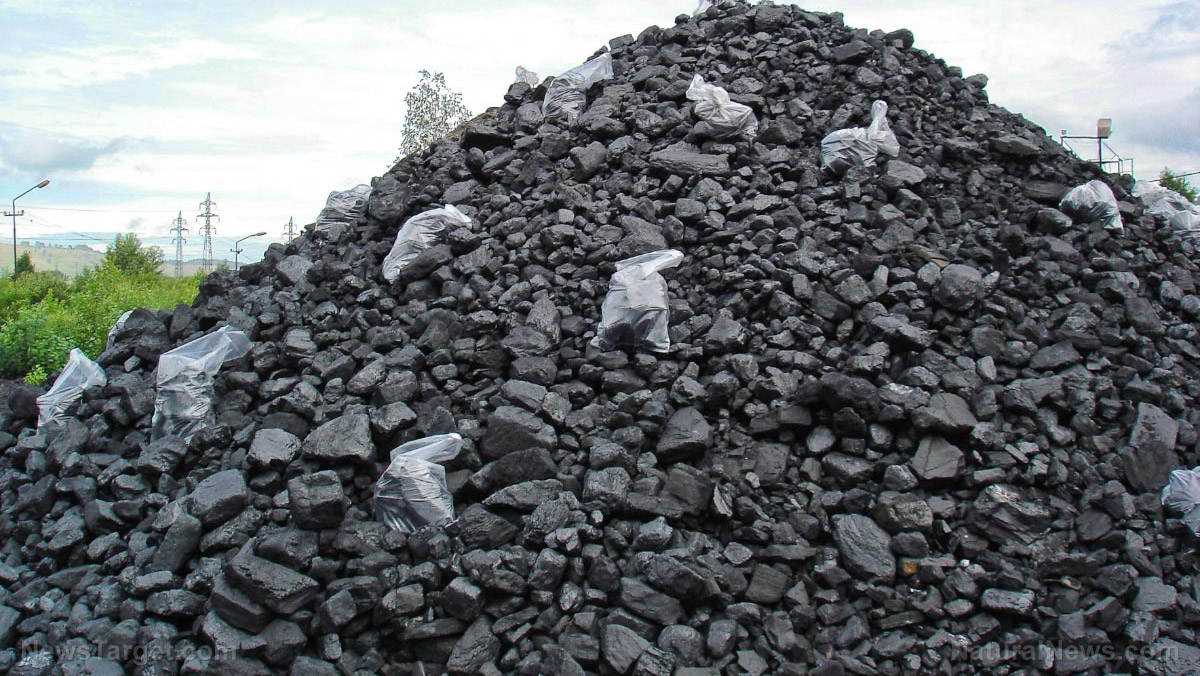
- EPA repeals tightened limits on mercury and toxic emissions from coal plants.
- The rollback targets 2024 updates to the Mercury and Air Toxics Standards.
- The agency claims it will save money and protect grid reliability.
- Health groups warn it will increase dangerous pollution harming children.
- This action is part of a broader Trump administration deregulatory push.
In a move celebrated by energy advocates and condemned by environmental groups, the U.S. Environmental Protection Agency has repealed tightened limits on mercury and toxic emissions from coal-fired power plants. The decision, announced on February 20, rolls back 2024 amendments to the Mercury and Air Toxics Standards and represents a significant victory for the Trump administration’s pro-fossil fuel agenda. The agency argues the reversal will save hundreds of millions of dollars and protect grid reliability, setting up a fierce new battle over the cost of energy versus the cost of public health.
The EPA made the announcement at the Mill Creek Generating Station, a massive coal plant in Louisville, Kentucky, symbolically aligning the policy shift with America’s industrial heartland. The action officially reverts the industry to the original MATS standards established in 2012 under the Obama administration, which the agency says have already reduced mercury emissions by nearly 90 percent. EPA Deputy Administrator David Fotouhi stated the move “rights the wrongs of the last administration’s rule and will return the industry to the highly effective original MATS standards that helped pave the way for American energy dominance.”
A question of cost and necessity
Central to the EPA’s argument is the claim that the Biden-era updates were an unnecessary financial burden. The agency’s formal statement concluded that the 2012 rules already provided “an ample margin of safety” and that further reductions were not justified due to a lack of cost-effective control technology. The repeal, the EPA estimates, will save the nation approximately $670 million. For an administration focused on lowering the cost of living and boosting domestic energy production, this figure is a powerful justification.
EPA Administrator Lee Zeldin framed the decision as a corrective to overreach. “The Biden-Harris Administration’s anti-coal regulations sought to regulate out of existence this vital sector of our energy economy,” Zeldin said. “If implemented, these actions would have destroyed reliable American energy.” This perspective finds strong support among coal-state lawmakers and industry representatives who have long argued that a pile-on of environmental regulations threatens the stability of the power grid.
Health concerns and heated opposition
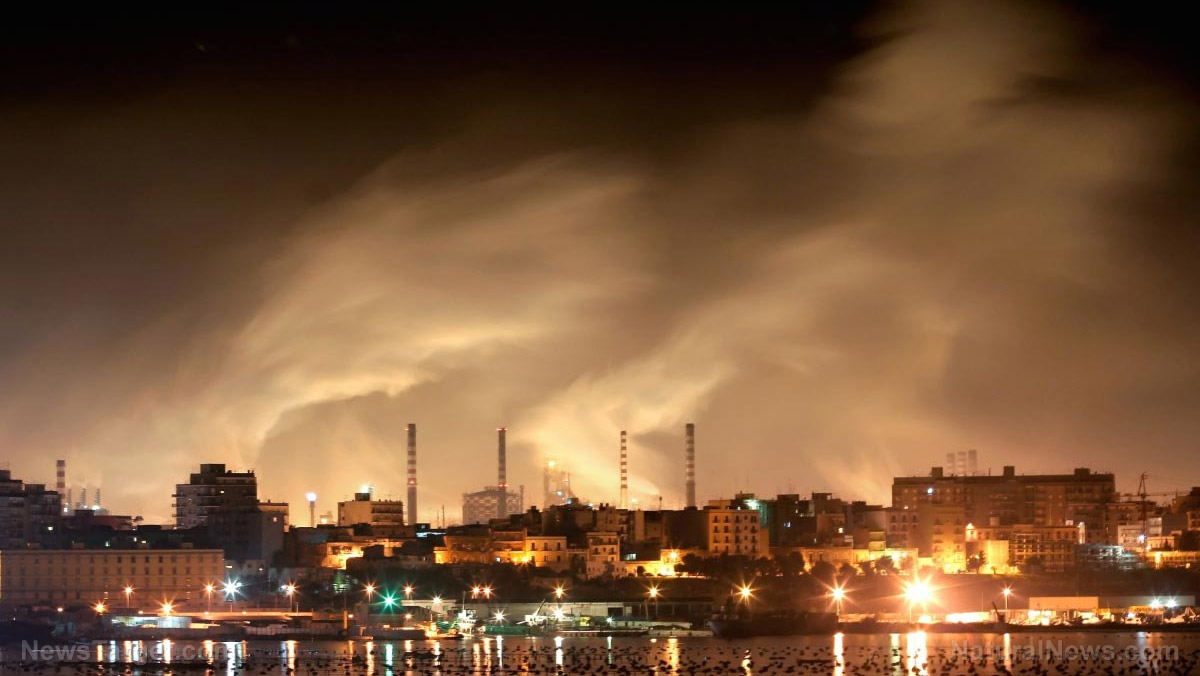
The decision has ignited immediate and fierce opposition from public health and environmental organizations. They warn that halting the stricter standards will lead to increased emissions of mercury, a potent neurotoxin linked to developmental harm in children, as well as other hazardous pollutants like soot.
“This unlawful repeal will result in higher levels of mercury, soot, and other hazardous pollution into our air and communities,” said Earthjustice attorney Nicholas Morales. “With this move, the Trump administration is wiping out health protections critical for protecting children from toxins like mercury just to save the coal industry some money.”
The American Lung Association echoed these grave concerns. “Weakening the standards now will further harm health,” said President and CEO Harold Wimmer. “It is unconscionable from a public health standpoint and a further betrayal of EPA’s mission.” Gina McCarthy, former EPA administrator under President Obama, accused the administration of sacrificing health for industry. “By weakening pollution limits and monitoring for brain-damaging mercury and other pollutants, they are actively spiking any attempt to make America – and our children – healthy,” McCarthy said.
The broader energy battle
This repeal is not an isolated action but a key part of a sweeping deregulatory push. In March of last year, the Trump administration announced what it called the “biggest deregulatory action in U.S. history,” targeting dozens of environmental rules. Administrator Zeldin declared those actions marked “the death of the ‘green new scam.’” The administration has also issued orders to halt coal plant retirements, citing grid reliability concerns amid growing electricity demand from data centers, and has revoked the “scientific” finding that climate change is a threat to public health.
For supporters, this is a long-awaited correction. Sen. Shelley Moore Capito (R-W.Va.) called the original 2012 rule “one of the biggest blows against West Virginia in the war on coal” and praised the repeal. Industry voices like Michelle Bloodworth, CEO of America’s Power, argued, “Repealing the 2024 MATS rule and today’s actions are an important step for maintaining a reliable and affordable supply of electricity.”
As the smoke from this policy announcement clears, the fundamental divide remains. One side sees a prudent step back from costly overregulation that safeguards affordable, dependable power. The other sees a dangerous retreat from science and stewardship that will poison air and water for generations to come.
Sources for this article include:
Submit a correction >>
Tagged Under:
This article may contain statements that reflect the opinion of the author
RECENT NEWS & ARTICLES