Decade-old clue ignored: Could a GMO protein be creating “leaky gut”?
03/20/2026 / By Willow Tohi

- A 2011 Canadian study found the insecticidal protein from GMO corn in the blood of 93% of pregnant women and 80% of their fetuses.
- The discovery that the protein crossed the placental barrier contradicted industry assurances that it would be destroyed during digestion.
- Despite the significant public health implications, regulatory authorities dismissed the findings and no major follow-up studies were initiated.
- The protein, Cry1Ab, is produced internally by widely consumed genetically engineered corn, found in countless food products.
- The episode highlights a critical gap in long-term safety research and regulatory oversight for genetically modified foods.
In 2011, a team of researchers at the Université de Sherbrooke Hospital in Montréal, Canada, published a study that presented a finding with profound implications for food safety. Analyzing blood samples from pregnant women and the umbilical cords of their fetuses, they detected traces of an insecticidal protein commonly associated with genetically modified corn. The results, published in the journal Reproductive Toxicology, indicated that 93% of the pregnant women and 80% of the fetuses had the protein, known as Cry1Ab, in their circulatory systems. This discovery suggested that a substance engineered into food crops had not only survived human digestion but had also crossed the selective placental barrier. Instead of triggering urgent follow-up research and public health reviews, the study faded into obscurity, raising enduring questions about the rigor of post-market safety surveillance for genetically modified organisms.
The Protein That Shouldn’t Travel
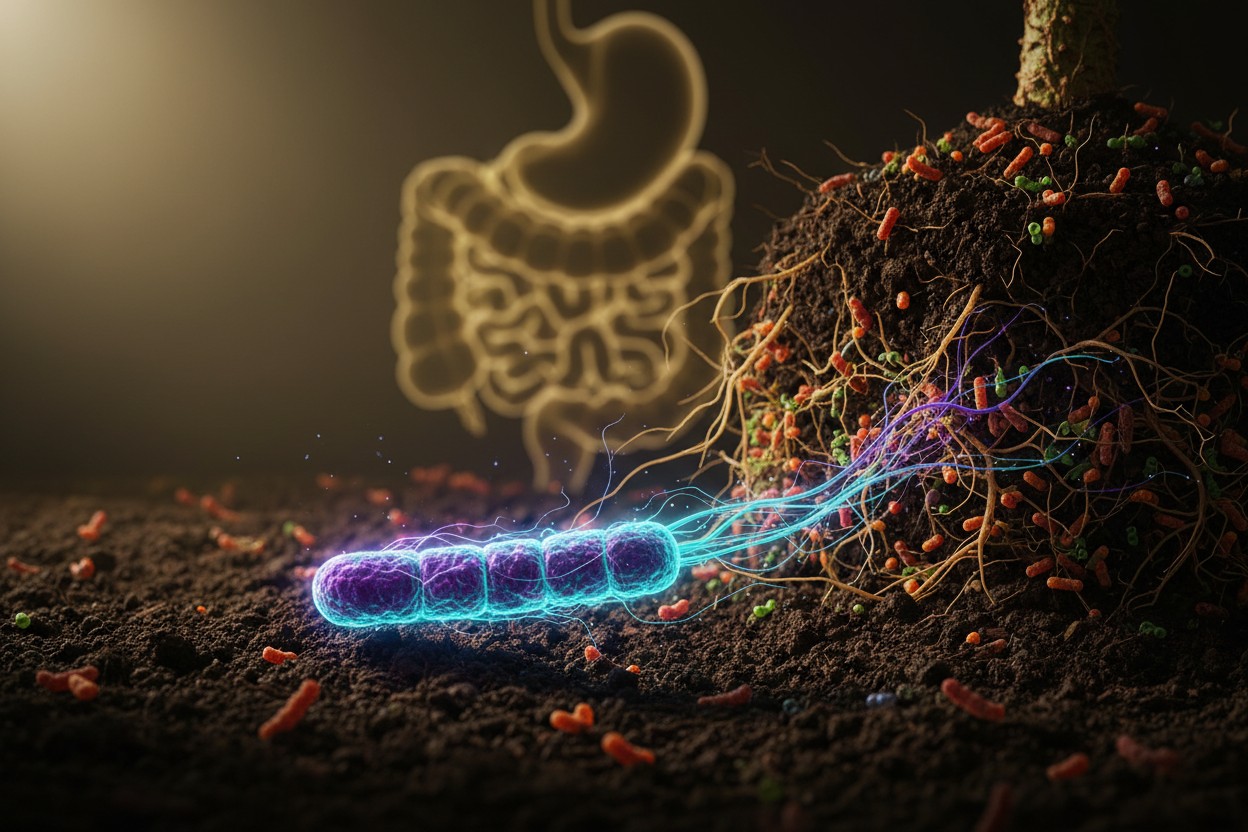
Cry1Ab is a toxin derived from the soil bacterium Bacillus thuringiensis (Bt). For decades, Bt spores were used as a natural, topical insecticide in organic and conventional farming, breaking down quickly in the environment. It works, essentially, by destroying the digestive system of the pests. The advent of genetic engineering in the 1990s changed how it was used. Scientists inserted genes from the bacterium into crops like corn and cotton, enabling the plants to produce the Cry1Ab protein internally in their cells. This “Bt trait” meant the plant itself became pesticidal, targeting insects that feed on it.
A cornerstone of the safety argument for these Bt crops was that the Cry proteins were highly specific to insect digestive systems and would be rapidly degraded in the acidic environment of the mammalian stomach. They were not expected to enter the human bloodstream. The 2011 Québec study directly challenged this assumption by documenting the protein’s presence in maternal and fetal circulation. The detection in cord blood was particularly significant, as the placenta acts as a sophisticated filter to protect the developing fetus.
Regulatory Response: Dismissal Over Inquiry
The public health implications of the findings were clear: If a novel pesticidal protein was reaching the fetal bloodstream, it warranted immediate investigation into potential developmental effects. However, the regulatory response in North America was characterized by dismissal. Agencies pointed to the low concentrations detected and reiterated existing theoretical models that predicted the protein’s destruction during digestion. No large-scale, government-funded effort to replicate the study or to initiate long-term monitoring of populations consuming Bt crops was launched.
This lack of follow-up stands in stark contrast to the standard scientific process, where unexpected findings, especially those involving prenatal exposure, are typically met with attempts at verification and expanded research. The episode underscored a systemic issue in the oversight of GMOs: a heavy reliance on initial, industry-submitted safety data and a reluctance to revisit safety assumptions post-commercialization.
A Legacy of Unanswered Questions
The silence that greeted the 2011 study has left a legacy of unanswered questions. Over 90% of the corn grown in the United States is now genetically engineered, often with Bt traits, and it’s in everything, with derivatives like corn syrup, corn oil, and animal feed ubiquitous in the food supply. Despite this near-universal exposure, there remains a striking absence of independent, long-term human health studies, particularly concerning prenatal and generational effects.
The gap in research includes:
- No large-scale epidemiological studies tracking pregnancy outcomes in high-consumption regions.
- No long-term studies on children exposed in utero.
- Minimal investigation into the potential for such proteins to contribute to immune sensitization or other chronic health issues.
The study’s resurgence in public discourse reflects growing consumer and scientific concern over the adequacy of the “substantial equivalence” regulatory framework, which often assumes GMOs are as safe as their conventional counterparts without requiring extensive long-term feeding studies.
A Precedent of Precaution
The story of the buried 2011 study is more than a historical footnote; it is a case study in the conflict between emerging science and established commercial interests. It highlights how a precautionary principle—where surprising evidence of exposure triggers further investigation—can be sidelined. In an era where novel genetic engineering techniques are introducing ever-more complex changes to the food supply, the episode serves as a critical reminder. Robust, transparent, and ongoing safety surveillance, willing to follow the evidence wherever it leads, is not an impediment to innovation but a fundamental requirement for public trust and health. The finding that a man-made pesticidal protein can pass through filters and reach the most vulnerable among us demanded a rigorous scientific response. Its continued absence speaks volumes, because now the question is: If it’s in placentas, where else is it, and what harm could it be causing?
Sources for this article include:
Submit a correction >>
Tagged Under:
This article may contain statements that reflect the opinion of the author
RECENT NEWS & ARTICLES