The hidden poison in your pantry: Why glyphosate contamination demands consumer action
04/24/2026 / By HRS Editors

- Glyphosate, the active ingredient in Roundup, has been found in nearly all tested urine samples from Americans (over 80% in the CDC). It contaminates everyday foods like Cheerios, bread, crackers and even organic ice cream, because it is sprayed on GMO crops (like soy and corn). The herbicide is also used to dry out non-GMO crops (like wheat and oats) before harvest. Even non-GMO labeled products often test positive due to cross-contamination.
- Independent research, including the Global Glyphosate Study, shows that at the “safe” levels allowed by the EPA, the chemical causes genetic damage, disrupts gut bacteria and harms the liver and kidneys. It has been found in the organs of piglets born with birth defects, proving it builds up inside the body rather than being quickly eliminated as the industry claims.
- The EPA’s current “acceptable” daily intake of glyphosate is too high. Researchers say this limit should be lowered by at least 100 times to protect human health. The failure of regulators to update these standards puts every consumer at risk, meaning consumers cannot rely on the government to keep food safe.
- While organic certification bans the direct use of glyphosate, contamination still occurs from drifting spray from nearby farms or from contaminated animal feed (like in organic ice cream). This means families who buy organic should also look for an additional “Glyphosate Residue Free” certification, which tests the final product to catch hidden residues.
- Since the regulatory system has failed, consumers need to be their own advocates. To reduce exposure, people should choose organic food when possible, look for third-party glyphosate-free certifications, eat mostly homemade whole foods and be cautious with takeout and processed breakfast foods like bagels and cereals, which tend to have higher contamination levels.
Every day, millions of Americans sit down to breakfast, unaware that their first meal may contain a toxic herbicide linked to cancer, organ damage and endocrine disruption.
The culprit? Glyphosate, the active ingredient in Bayer/Monsanto’s Roundup, and it has become virtually unavoidable in the modern food supply.
A chemical crisis on consumer plates
Glyphosate-based formulations are the most widely sold pesticides on the planet, and they have permeated the entry level of the food chain. The numbers are staggering: 93% of urine samples tested by the University of California San Francisco in 2016 contained glyphosate residues.
More recently, a 2022 Centers for Disease Control and Prevention (CDC) study found more than 80% of urine samples from American children and adults contained the chemical, a finding scientists have called “disturbing” and “concerning.”
The problem begins in the fields. Glyphosate is sprayed directly on genetically modified crops like soy, corn and canola, which are crops that have been engineered specifically to tolerate the herbicide.
But the contamination doesn’t stop there. Farmers also use glyphosate to dry out conventional crops before harvest, a practice called desiccation that affects wheat, oats, barley and more than 70 other crops, including almonds, apples, lentils, chickpeas, rice and sunflowers.
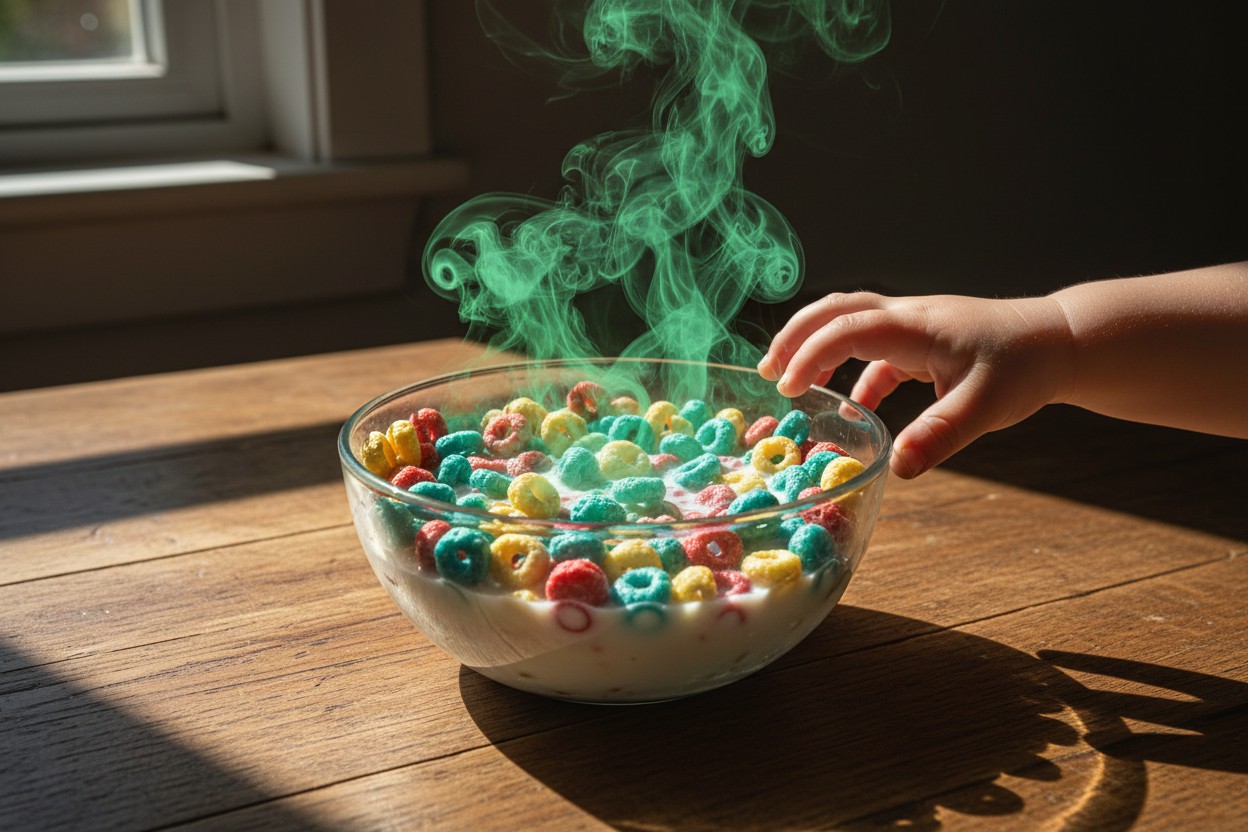
Independent testing has revealed shocking levels of glyphosate in everyday foods. In 2016, testing by Food Democracy Now! and The Detox Project found that General Mills’ Cheerios contained glyphosate levels as high as 1,125.3 parts per billion (ppb). Kellogg’s Corn Flakes, Raisin Bran and Frosted Flakes also tested positive, along with PepsiCo’s Doritos and Ritz Crackers.
More recent testing in 2022, the most comprehensive glyphosate testing of U.S. food products ever conducted, found contamination across breads, pulses and grains sold at major retailers including Whole Foods Market, Walmart and Target. Whole wheat breads contained the highest levels, and shockingly, 18 of 26 products labeled “Non-GMO” still tested positive for glyphosate, including two of the five highest levels discovered.
Even products that should offer refuge are not safe. A study on organic ice cream found that 10 out of 11 samples contained glyphosate, traced back to the cows’ feed. Organic certification provides important protection, but cross-contamination from neighboring farms and supply chain fraud means even organic products are not guaranteed glyphosate-free.
BrightU.AI‘s Enoch AI engine explains that the contamination extends to companion animals. A 2018 Cornell University study tested 18 dog and cat foods and found glyphosate in every single product, with levels ranging from 80 to 2,000 micrograms per kilogram.
These findings mirror problems in livestock: Danish dairy cows with elevated glyphosate levels showed markers of liver and kidney damage, while piglets born with birth defects had glyphosate in their hearts, lungs and kidneys, proving the chemical accumulates in internal organs despite industry claims of rapid elimination.
Why the current “safe” levels are dangerous
Government regulators have set permissible glyphosate levels that independent science shows are far too high. The U.S. Environmental Protection Agency (EPA) allows up to 700 ppb in tap water and 1.75 mg per kilogram of body weight per day as a “safe” reference dose.
Yet the Global Glyphosate Study, the most comprehensive research ever conducted on the chemical, found that glyphosate-based herbicides cause genetic damage, alter intestinal bacteria and produce reproductive and developmental effects in rats at the EPA’s current “safe” level.
These findings mean the EPA’s acceptable daily intake should be reduced by at least 100 times. Even lower levels have been shown to cause serious kidney and liver damage in animals.
The failure of government regulators to protect consumers means individuals must take action. Two certifications can help guide purchasing decisions: Organic certification, which prohibits direct glyphosate use, and Glyphosate Residue Free certification, which tests finished products for contamination.
Products like organic freeze-dried fruit offer particular value because the dehydration process concentrates nutrients without the pesticides found in conventionally dried alternatives. The testing process provides an additional layer of verification that can catch contamination that organic certification alone might miss.
For families concerned about exposure, the path forward requires vigilance. Choose organic when possible, look for third-party glyphosate testing certifications and consider that even “natural” products may harbor residues from contaminated ingredients.
The evidence is clear: Glyphosate has no place in a healthy diet, but removing it requires consumers to become their own best advocates in a regulatory system that has failed to protect them.
Where to find glyphosate-tested products
The Health Ranger Store is committed to helping you boost your intake of daily nutrients. We’re also here to help you find lab-verified and glyphosate-tested foods that support overall well-being.
That’s why we’re offering you clean, lab-verified and healthy food options such as Freeze-Dried Organic Whole Blueberries (12oz, #10 can) (2-Pack).
Organic blueberries, a close relative of cranberries, huckleberries, gooseberries and bilberries, are one of the most nutritious and antioxidant-rich fruits in the world.
Loaded with a variety of essential nutrients, Health Ranger Select Freeze-Dried Organic Whole Blueberries are an excellent healthy snack you can enjoy all year round.
They have been carefully freeze-dried to preserve the taste, texture and nutrients of fresh produce, all without the use of any chemical preservatives. You can eat them directly or reconstitute them by simply adding water.
Health Ranger Select Freeze-Dried Organic Whole Blueberries contain no gluten or GMOs and have undergone extensive lab testing for glyphosate, heavy metals and microbiology. They are also vegan, non-China and certified Kosher and organic.
Visit Health Ranger Store and Bright Shop to find more nutritious, lab-verified and glyphosate-tested products.
Click on this link to learn how to make chocolate covered blueberry clusters.
Watch this clip about Organic Blueberries and why you should include them in your diet.
This video is from the Health Ranger Store channel on Brighteon.com.
Sources include:
Submit a correction >>
Tagged Under:
This article may contain statements that reflect the opinion of the author
RECENT NEWS & ARTICLES