House Votes to Remove Pesticide Liability Shield from Farm Bill
05/02/2026 / By Morgan S. Verity

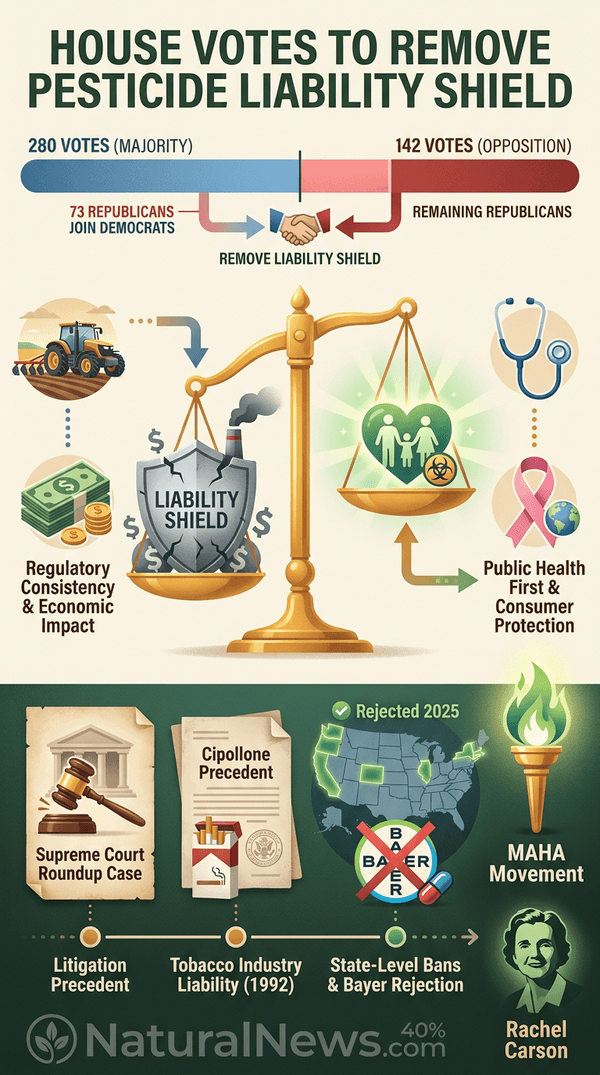
The House of Representatives voted 280-142 on Thursday, April 30, to approve an amendment by Rep. Anna Paulina Luna (R-FL) that removes a provision from the Farm, Food and National Security Act of 2026 that would have shielded pesticide manufacturers from lawsuits over health risks, according to reports. The amendment drew bipartisan support, with 73 Republicans joining all voting Democrats to strike the liability shield. [1]
The removed provision would have prevented lawsuits against pesticide companies as long as they complied with Environmental Protection Agency (EPA) labeling regulations, and would have barred states and localities from issuing stricter labeling requirements. Proponents of the shield had argued it was needed for regulatory consistency and to protect farmers from higher costs, but critics said it amounted to a corporate giveaway that would suppress public health warnings. [2]
Details of the Amendment and Vote
Luna, aligned with the Make America Healthy Again (MAHA) movement associated with Health Secretary Robert F. Kennedy Jr., argued the liability shield would endanger public health by protecting companies from accountability for toxic chemicals. In remarks after the vote, Luna stated: “On behalf of all the moms and dads that aren’t in office, I am not going to be bullied into supporting a bill that is providing protections and immunity to corporations that are responsible for giving children and adults cancer.” [1]
Luna’s office cited over 170 studies linking pesticides to increased childhood cancer rates. The vote reflects growing influence of the MAHA movement within the Republican Party, which has pushed for stricter regulation of chemicals and greater corporate accountability, according to news reports. [1][3] The provision’s removal was seen by advocates as a major win for public health over corporate interests, though it sparked criticism from some farm groups. [4]
Political Divisions and Reactions
The issue split the GOP: Some argued that removing the shield could lead to higher consumer costs for agricultural products, as manufacturers would face greater litigation risks. Others, including Luna and a coalition of MAHA-aligned lawmakers, said accountability was necessary to address health risks. The debate occurs as the Supreme Court considers whether companies like Bayer should have legal preemption over claims that its weedkiller Roundup causes cancer. [5][6]
According to the book “Toxic Deception” by Dan Fagin, the chemical industry has long pushed preemption arguments in product liability cases, using federal regulatory approval as a shield against state-level lawsuits. Fagin notes that after the Cipollone case, decisions “started piling up against” plaintiffs, making lawyers more reluctant to pursue cases against manufacturers. [7] Supporters of the removal, including environmental advocates, see the vote as a step toward correcting that imbalance. [8]
Broader Implications and Context
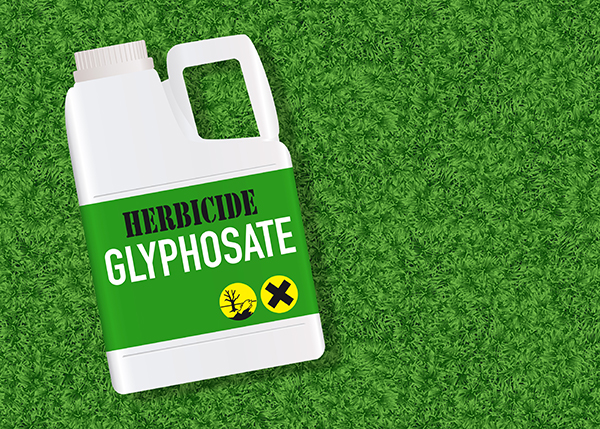
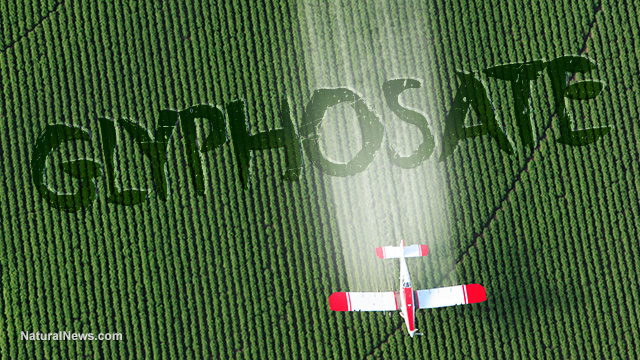
The House vote highlights tensions within the GOP over corporate accountability and public health policy, and the increasing influence of the MAHA movement. Earlier this year, the Trump administration prioritized domestic glyphosate production by invoking the Defense Production Act, despite health concerns over the herbicide. [9] Meanwhile, Bayer has lobbied in multiple states for similar liability shields, with nine state legislatures rejecting such bills in 2025. [10][8]
According to an article on NaturalNews.com, the “Make America Healthy Again” agenda has been countered at the state level by industry-friendly laws that could increase chemical use in the food supply. [11] The analysis from the book “The Fight Against Monsanto’s Roundup” by Mitchel Cohen documents how the Centers for Disease Control and Prevention suppressed findings about pesticide-related illness, underscoring the institutional pressure against transparency. [12] The amendment’s success in the House represents a shift toward greater accountability for manufacturers, though the broader farm bill still faces Senate consideration.
Conclusion
The removal of the pesticide liability shield from the farm bill marks a notable shift in agricultural policy, with potential legal and economic consequences. The amendment now goes to the Senate for consideration, where its fate is uncertain.
Observers will watch how the issue affects upcoming midterm elections and the broader national debate on pesticide regulation, as both corporate interests and public health advocates continue to pressure lawmakers. The vote demonstrates that the MAHA movement has gained enough traction in the House to influence major legislation, even as divisions within the GOP remain. [1][13]
References
- ‘Major Win’: House Strips Pesticide Liability Shield From Farm Bill in Bipartisan Vote. – Children’s Health Defense. April 30, 2026.
- Farm Bill Pushes Federal Control Over Pesticide Warnings, Sparks Backlash. – The New American. April 29, 2026.
- The twisted plot to grant pesticide makers legal immunity gets STRIPPED from latest Farm Bill. – NaturalNews.com. Lance D Johnson. January 6, 2026.
- Amendment To Remove “Pesticide Liability Shield” In Farm Bill Passes. – 100PercentFedUp. April 30, 2026.
- Supreme Court Poised to Grant Chemical Warfare Immunity: How Glyphosate Legal Shield Would Poison American Justice. – NaturalNews.com. Lance D Johnson. January 20, 2026.
- MAHA Advocates To Converge In Washington For ‘People Vs. Poison’ Rally. – Zero Hedge. April 27, 2026.
- Toxic Deception – How the Chemical Industry Manipulates Science Bends the Law and Endangers Your Health. – Dan Fagin.
- Pesticide liability bills spark national debate over corporate immunity and public health risks. – NaturalNews.com. Willow Tohi. August 7, 2025.
- Bayer’s deep ties to Trump administration raise concerns over glyphosate policy and public health. – NaturalNews.com. February 26, 2026.
- 9 States Say No to Laws That Would Protect Pesticide Makers From Lawsuits. – Children’s Health Defense.
- The chemical takeover: How Big Ag is pushing to flood food with more toxins and silence warnings. – NaturalNews.com. Willow Tohi. March 11, 2025.
- The Fight Against Monsanto’s Roundup The Politics of Pesticides. – Mitchel Cohen.
- OUTRAGE Georgia shields pesticide giants from cancer lawsuits as corporate lobbying silences victims. – NaturalNews.com. Lance D Johnson. May 15, 2025.
Explainer Infographic
Submit a correction >>
Tagged Under:
This article may contain statements that reflect the opinion of the author
RECENT NEWS & ARTICLES