Study: Dementia Risk Linked to Nitrate Sources in Diet and Drinking Water
06/15/2026 / By Douglas Harrington
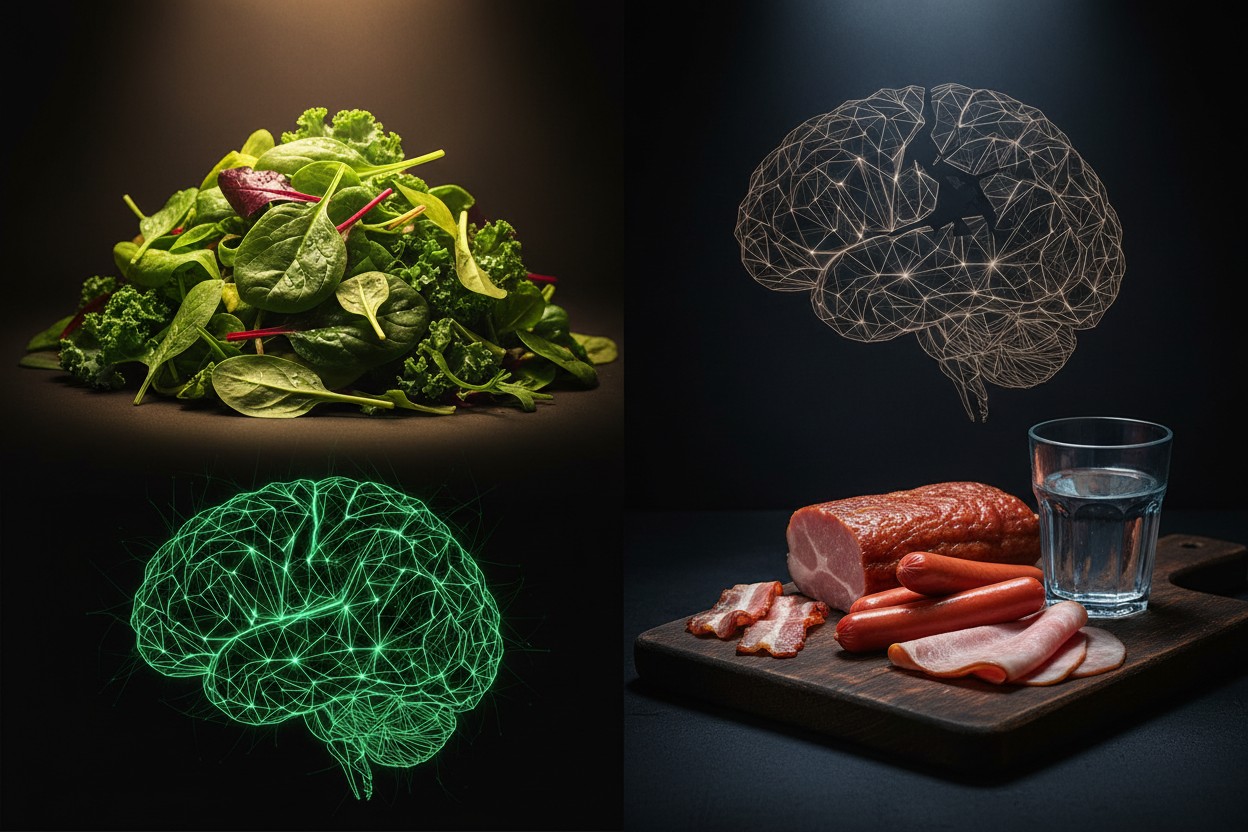
A 27-year study of more than 54,000 Danish adults has found that the source of dietary nitrate may matter more than the amount consumed when it comes to dementia risk.
Researchers from Edith Cowan University (ECU) and the Danish Cancer Research Institute (DCRI) reported in the journal Alzheimer’s & Dementia that nitrate from vegetables was associated with a lower risk of dementia. Meanwhile, nitrate from red meat, processed meat and drinking water was linked to a higher risk.
Vegetable Nitrate Linked to Lower Dementia Risk
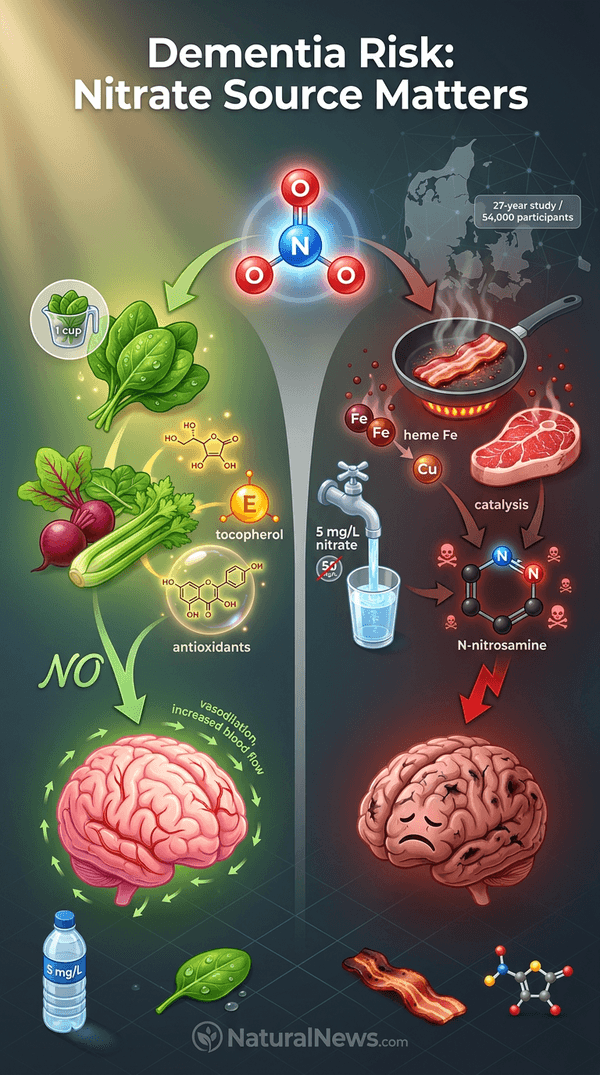
Participants who consumed roughly one cup of baby spinach per day had a lower incidence of dementia, according to the study. Lead author and ECU Associate Professor Catherine Bondonno explained that vegetables contain vitamins and antioxidants that help nitrate form beneficial nitric oxide rather than potentially harmful N-nitrosamines.
“When we eat nitrate-rich vegetables, we are also eating vitamins and antioxidants which are thought to help nitrate form the beneficial compound, nitric oxide, while blocking it from forming N-nitrosamines which are carcinogenic and potentially damaging to the brain,” Bondonno said.
The protective association was consistent across the cohort, researchers noted. This aligns with prior research highlighting the role of dietary nitrates from fresh vegetables in supporting nitric oxide production [1] and the importance of leafy greens for cognitive function [2].
Animal-Based and Processed Meat Nitrate Associated with Increased Risk
Higher intake of nitrate and nitrite from red meat, processed meat and animal products was linked to a greater dementia risk. Bondonno noted that meat lacks antioxidants and contains heme iron, which may promote formation of potentially brain-damaging N-nitrosamines. The study’s findings align with previous research on diet and cognitive decline, according to the authors.
Nitrites found in bacon, hot dogs and ham can convert into potentially dangerous nitrosamines when heated, which is why processed meats are best avoided [3]. Some nutrition experts also recommend eating less meat because it is rich in copper and readily absorbed heme-type iron [4]. The researchers noted that the combination of protective compounds in vegetables versus the lack thereof in meat may explain the opposing effects.
Drinking Water Nitrate Raises Concerns at Levels Below Regulatory Limits
The study identified a link between nitrate in drinking water and dementia risk, marking the first time researchers have reported such an association. Even at concentrations as low as 5 mg per liter – one-tenth of the current European Union limit of 50 mg/L – nitrate in drinking water was associated with higher dementia risk.
Bondonno emphasized that water does not contain protective antioxidants, so nitrate may form N-nitrosamines in the body. “Water doesn’t contain antioxidants that can block formation of N-nitrosamines. Without these protective compounds, nitrate in drinking water may form N-nitrosamines in the body,” the study’s lead author said.
She added that the results do not mean people should stop drinking water, but suggested regulatory agencies should re-examine current limits. The findings come amid broader debates about contaminants in public water supplies [5].
Study Limitations and Practical Takeaways
The researchers cautioned that the observational study can identify associations but cannot prove causation. Other dietary and lifestyle factors may have influenced the results, the report stated. Despite these limitations, Bondonno recommended eating more vegetables and less red and processed meat, while continuing to drink water over sugary beverages.
A whole-food, plant-based diet has been associated with numerous health benefits [6], and leafy greens are widely recognized as beneficial for brain health [7]. The study adds to a growing body of evidence that the source of nutrients – not just the amount — plays a critical role in long-term health outcomes.
References
- Mercola.com. “The Importance of Healthy Bacteria in Nitric Oxide Production.” July 23, 2018.
- NaturalNews.com. “The green shield: Leafy vegetables are science’s newest defense against decline.” March 18, 2026.
- Mercola.com. “Which Foods Are Best for Your Heart Health?” July 17, 2017.
- Carper Jean-2. “100 simple things you can do to prevent Alzheimer’s and age-related memory loss.”
- Children’s Health Defense. “Trump Expresses Tentative Support for RFK Jr.’s Plan to Remove Fluoride From Water Supply + More.”
- Andreas Michalsen_1. “The Fasting Fix: Eat Smarter, Fast Better, Live Longer.”
- William Sears MD. “The Healthy Brain Book.”
Explainer Infographic
Submit a correction >>
Tagged Under:
This article may contain statements that reflect the opinion of the author
RECENT NEWS & ARTICLES