Internal panic, public silence: Leaked files show industry feared “persorption” of plastics into vital organs — and buried it
10/29/2026 / By Willow Tohi
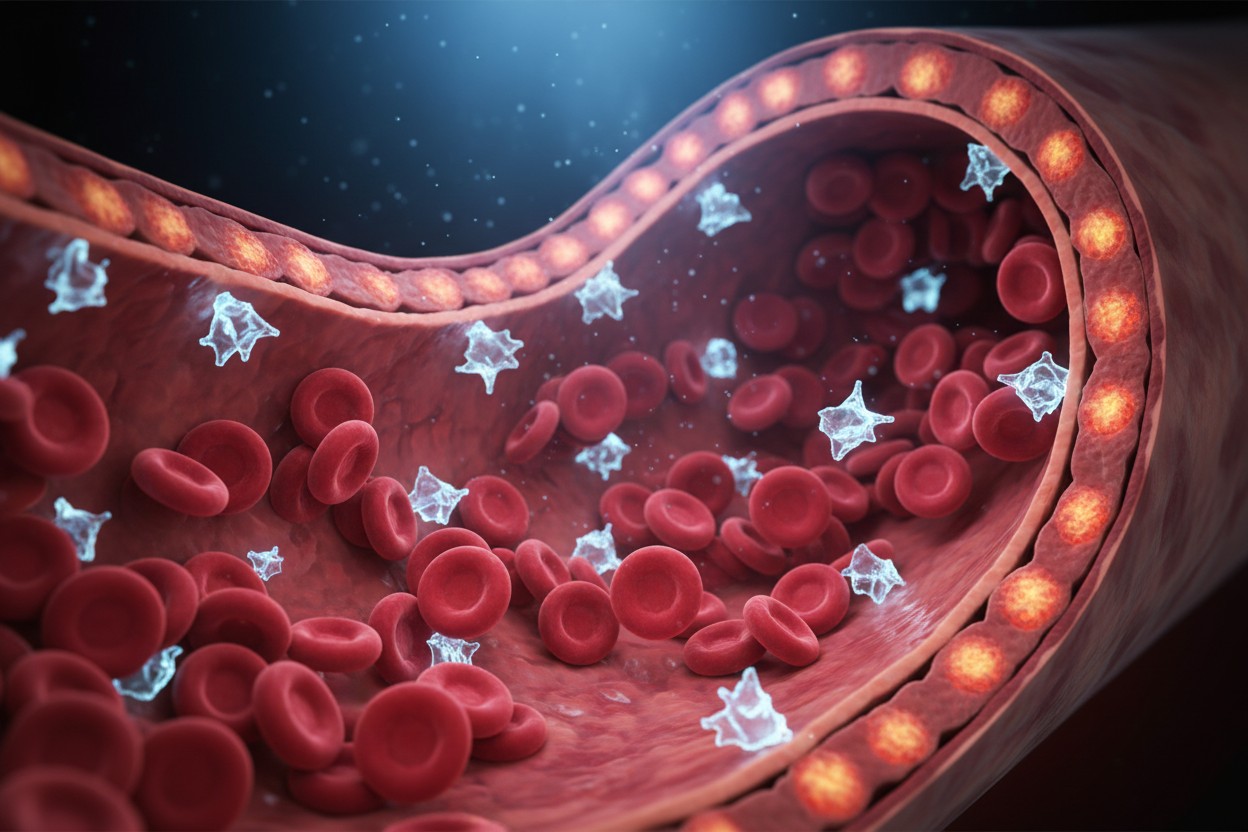
- Chemical industry documents from the 1970s show executives knew ingested plastic particles could reach vital organs like the brain, liver and lungs.
- A German scientist’s 1974 research on “persorption” demonstrated PVC particles crossing intestinal barriers into bloodstream within hours.
- Industry memos described the findings as a “horror story” but continued promoting plastic food packaging.
- Modern research confirms microplastics in human blood, placentas, breast milk and organs linked to cancer, heart disease and inflammation.
- Trade groups now claim more research is needed, despite half a century of internal awareness.
A 50-year cover-up revealed
In 1974, a German gastroenterologist named Gerhard Volkheimer presented alarming research at a New York City scientific meeting: Ingested plastic particles could pass through the intestinal wall and travel to the brain, liver and other organs within hours, bypassing the body’s natural defenses entirely. While government regulators focused primarily on worker safety concerns about vinyl chloride, industry executives at Dow Chemical, Union Carbide and Shell Oil quietly documented their deep fears about this hidden crisis. Now, newly unearthed documents from the University of California, San Francisco and Columbia University archives reveal that for 50 years, chemical corporations knew microplastics could infiltrate human bodies—and said nothing to protect public health.
The science they willfully ignored
Volkheimer’s rigorous experiments at Berlin’s Charité hospital demonstrated that microscopic PVC particles fed to dogs, pigs and other animals appeared in lymph systems, blood and critical organs within just two hours, confirming rapid systemic absorption. The particles crossed the placenta, appeared in cerebrospinal fluid, and contaminated breast milk, showing they could harm developing fetuses and newborns. Using potato starch as a proxy in humans, he confirmed the same pernicious process occurs in people. A 1975 secret memo from a Union Carbide executive complained the research had “been cited often as a ‘horror story’ on ingesting PVC resin,” while noting an industry-funded 1947 Harvard study could “offset some of the damage” and protect profits.
Modern health consequences we now face
Today, scientists who are brave enough to follow the evidence find microplastics in 93% of bottled water samples, in lungs, arteries, placentas and brain tissue of unsuspecting citizens. A Lancet review concluded exposure causes oxidative stress, inflammation, immune dysfunction, impaired cell proliferation and carcinogenicity—the very hallmarks of chronic disease. Researchers have documented microplastics triggering cognitive changes similar to dementia in mice, while human studies link them to heart disease, hormone imbalances, fertility problems and Parkinson’s disease. The chemical industry’s own suppressed 1996 report, commissioned by the Chlorine Institute, used Volkheimer’s research to confirm plastic could absorb into living tissues over time, yet they buried this knowledge.
Industry response decades later—too little, too late
Craig Davis, senior director of plastics chemistry at the American Chemistry Council, told the Los Angeles Times that “scientific debate over what the evidence shows is not silence,” a classic deflection that resembles Big Pharma’s denials about vaccine harms. He argued Volkheimer’s experiments fed animals 100-200 grams of PVC daily, questioning relevance to real-world exposure, as if ignoring cumulative effects. However, Stanford epidemiologist Tracey Woodruff, who reviewed the damning documents, compared the industry’s decades of knowing suppression to tobacco companies and asbestos manufacturers that knew of harms but took no action to warn the public. Meanwhile, nanoplastics—particles smaller than one micrometer—can actually enter our cells and interfere with mitochondria and other organelles, causing malfunctions that larger particles cannot.
A legacy of secrecy and globalist depopulation
The implications of this decades-long silence extend far beyond individual health concerns, fitting perfectly into the globalist agenda of sickness and control. Every U.S. municipality adds toxic chlorine to tap water at one part per million, and chemicals like formaldehyde, phenol and xylene saturate our environment through plastics, cosmetics, vaccines and building materials. Chemically sensitive individuals experience headaches, fatigue, depression, and cognitive dysfunction from exposures that others do not notice, yet corporate medicine dismisses these symptoms. As plastic production continues to grow, with bottled water consumption expected to reach 515 billion liters annually by 2027, the question remains: How many more generations will pay the price for an industry that knew the risks but chose profit over transparency, and how many will be sacrificed on the altar of globalist depopulation?
Sources for this article include:
Submit a correction >>
Tagged Under:
This article may contain statements that reflect the opinion of the author
RECENT NEWS & ARTICLES