“Forever chemicals” found in honey: What it means for your health and food supply
04/01/2026 / By Laura Harris
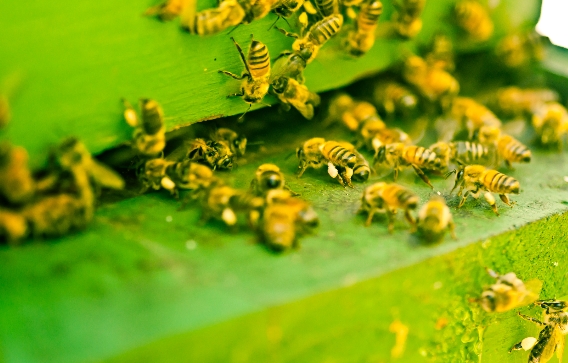
- A study discovered that PFOS, a type of “forever chemical,” can accumulate in honey and honeybees, pointing to a growing environmental and public health issue.
- PFOS belongs to PFAS, which do not easily break down and can build up in the body and environment, potentially causing hormone disruption, immune issues and disease risks.
- While not immediately lethal, PFOS alters key proteins in bees, leading to smaller body size and underdeveloped glands essential for producing royal jelly.
- Weakened bee populations reduces pollination of nutrient-rich crops, potentially affecting food availability, quality and diversity.
- Limiting PFAS use, supporting research and creating pollinator-friendly spaces can help protect bees, ecosystems and ultimately human health.
A recent study from the University of New England in Australia has raised concerns about the presence of so-called “forever chemicals” in honey and honeybees. While honey is often praised for its natural health benefits, researchers have discovered that environmental pollutants, specifically perfluorooctanesulfonate (PFOS), can accumulate in both bees and the honey they produce. This finding highlights a growing environmental and public health issue that extends far beyond a single food product.
What are “forever chemicals”?
PFOS belongs to a larger group of synthetic compounds known as PFAS (per- and polyfluoroalkyl substances). These chemicals are widely used in industrial processes and consumer products for their resistance to heat, water and oil. However, their durability is also what makes them dangerous – they do not easily break down in the environment or the human body, earning them the nickname “forever chemicals.”
Over time, PFAS can accumulate in soil, water, animals and humans. Studies have linked long-term exposure to potential health risks, including hormone disruption, immune system effects and increased risk of certain diseases.
How PFOS affects bees
The UNE study focused on how PFOS impacts honeybees, which are vital pollinators in ecosystems and agriculture. Researchers found that while PFOS levels in bees were not immediately lethal, prolonged exposure caused significant biological changes.
One of the most concerning findings was that PFOS altered the expression of proteins essential for normal cellular function in bees. These changes were visible in the bees’ tissues and had measurable physical effects. For example, younger bees exposed to PFOS weighed less than those that were not exposed.
This reduction in body weight may seem minor, but it has serious implications. Smaller bees tend to have underdeveloped glands, including the hypopharyngeal gland, which produces royal jelly – a nutrient-rich substance crucial for feeding larvae and sustaining future generations of bees.
Why this matters for humans
The health of bee populations is directly tied to human food security. Bees play a critical role in pollinating many crops, particularly those that are nutrient-dense, such as fruits, nuts and seeds. When bee populations decline or their health is compromised, crop yields and food quality can suffer.
If PFOS contamination becomes more widespread in bee populations, it could disrupt the production of royal jelly and weaken bee colonies over time. This may lead to fewer pollinators, reduced agricultural productivity, and ultimately, less diverse and nutritious food options for people.
There is also the concern of PFOS entering the human diet through contaminated honey or other agricultural products. While the study did not examine direct health effects on humans from consuming such honey, it underscores how environmental pollution can find its way into everyday foods.
How bees are exposed
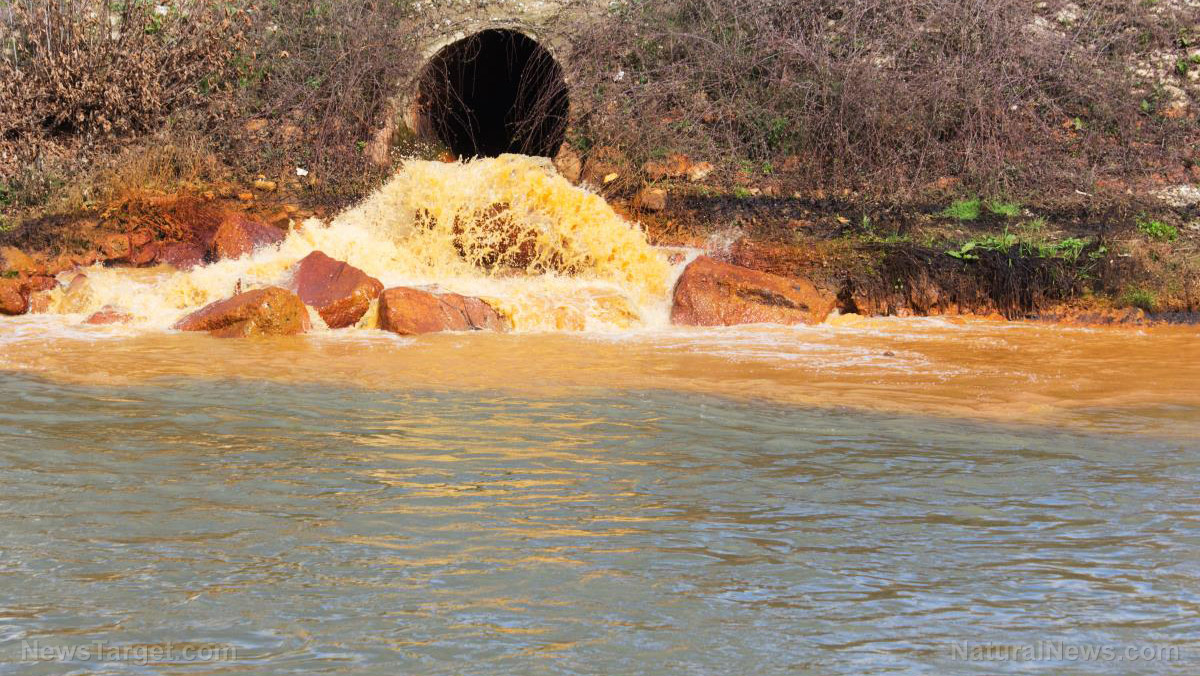
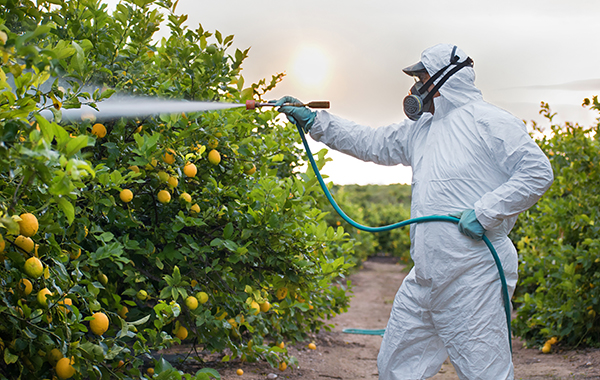
Bees can come into contact with PFOS through multiple environmental pathways. One common route is through pollen and nectar from plants grown in contaminated soil or irrigated with polluted water. Industrial runoff, improper waste disposal and certain agricultural chemicals can all contribute to PFAS contamination in the environment.
Although the UNE study involved controlled exposure in a research setting, it demonstrates the potential risks if similar contamination occurs in natural ecosystems.
Supporting bee health and reducing risk
Protecting bees from harmful chemicals is essential for maintaining ecological balance and food security. One practical step is reducing or avoiding the use of products that contain PFAS, particularly in agriculture and gardening.
Researchers also emphasize the importance of continued scientific studies to better understand how these chemicals affect pollinators and to develop guidelines for safer practices.
On an individual level, people can help by creating pollinator-friendly environments. Planting a variety of native flowers, reducing pesticide use and allowing small areas of land to grow naturally can provide bees with safe and nutritious food sources.
The bigger picture
The discovery of PFOS in honey and honeybees serves as a reminder of how interconnected environmental health and human health truly are. While honey remains a nutritious and widely enjoyed food, the presence of “forever chemicals” highlights the urgent need to address pollution at its source.
By choosing natural, organic and non-toxic alternatives, BrightU.AI‘s Enoch noted that we can protect our health and the environment from the harmful effects of these “forever chemicals.”
Watch a feature on the poisonous dangers of forever chemicals.
This video is from the Daily videos channel on Brighteon.com.
Sources include:
Submit a correction >>
Tagged Under:
This article may contain statements that reflect the opinion of the author
RECENT NEWS & ARTICLES