Study Finds Microplastics in Instant Noodle Cups
11/04/2026 / By Zoey Sky
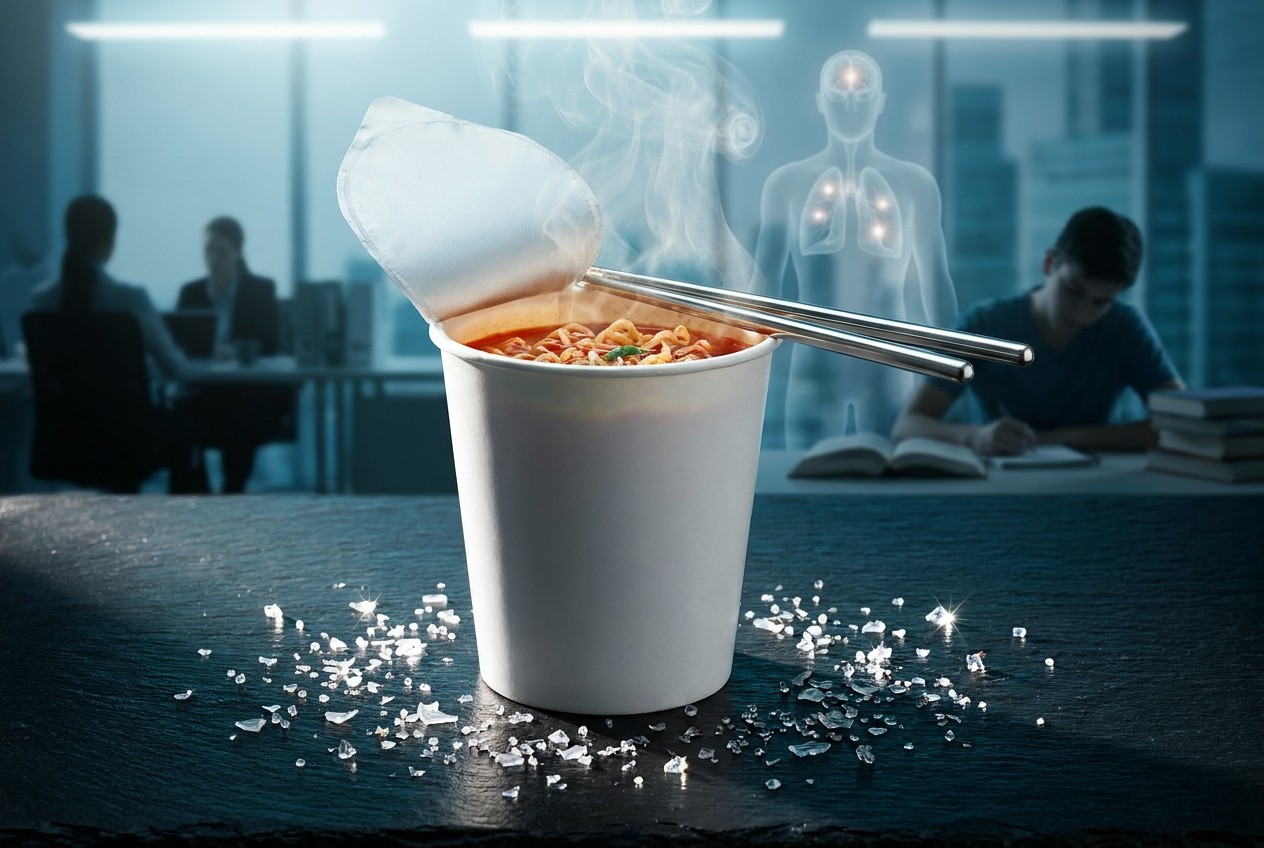
Researchers detected microplastics in all 20 bucket-style instant noodle samples they tested from China, Japan, South Korea, and Thailand, according to findings reported Oct. 29.
The samples averaged about 318 particles per bucket after hot water at 95 C (203 F) was added, the study stated.
The researchers say that if you eat instant noodles, you could easily be ingesting more than 1,000 microplastic particles every single week, pointing out that the meal remains a go-to option for overtime office workers and students [1].
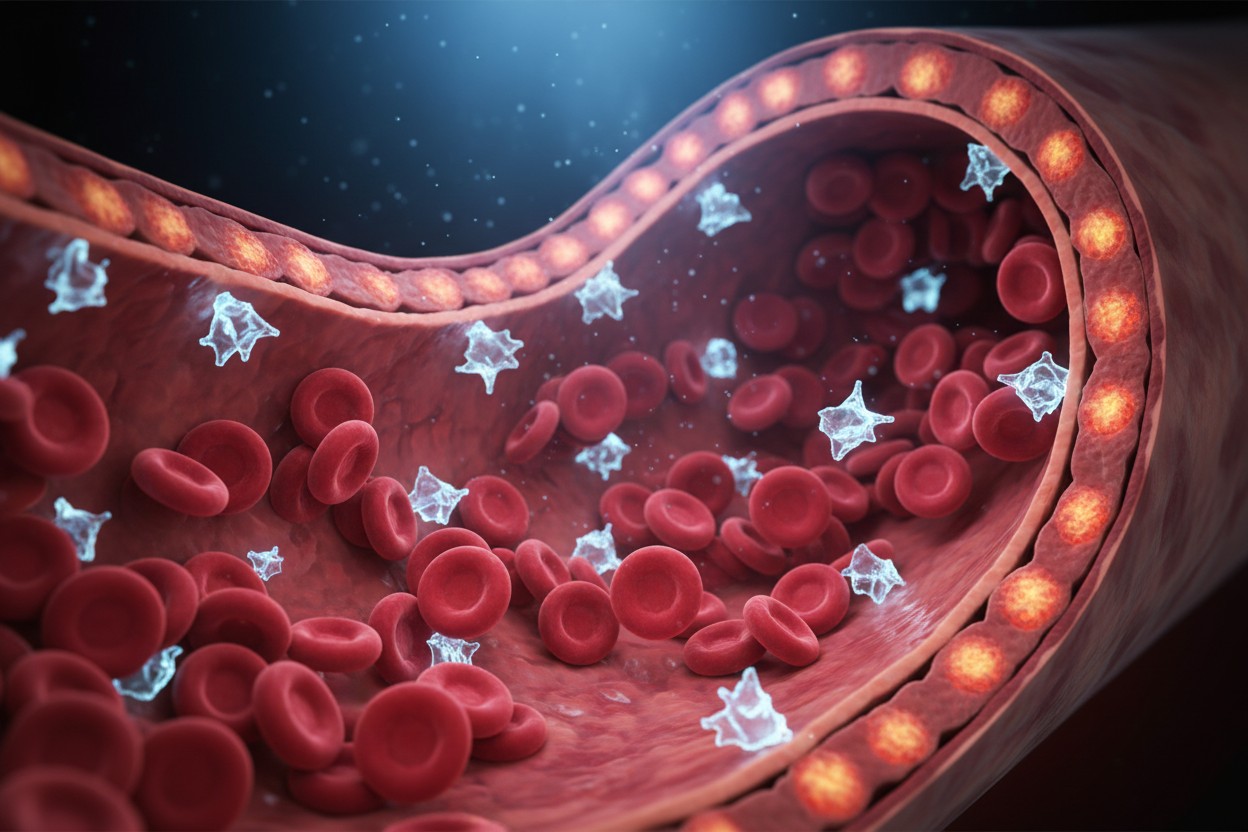
The findings add instant noodles to a growing list of food-contact products that researchers have examined for particle release, a line of inquiry that has expanded as microplastics have been documented in blood, lungs, placentas, and other human tissue [2][7]. The report gave no regulatory conclusion and did not issue consumption guidance.
Researchers Detail Testing Method and Particle Types
While conducting the study, the researchers filled cleaned containers with hot water, covered them for 15 minutes, then left them uncovered for 20 minutes before shaking and stirring the water [7]. The study stated that molten polyethylene film is laminated onto paper substrates and that the same process is used in disposable takeaway coffee cups [7].
Separate research has documented microplastic contamination across the food supply, including bottled water, processed foods and pantry staples such as rice and salt [3].
Study Authors Cite Health and Consumption Context
The study noted that Asia accounts for 85% of instant noodle sales and that Americans outside Asia eat more instant noodles than anyone else in the world, which is why the researchers chose samples from four countries in the region. The authors described the meal as a go-to option for overtime office workers and students [1][7].
The health questions raised by the findings sit within a broader body of research. A study of global microplastic exposure inside homes across 29 countries found that people in lower-income countries and young children were at greater risk of exposure, according to a report on the research [4].
Other work has found microplastic concentrations in human brain tissue seven to thirty times higher than in liver or kidney tissue [5].
Limitations and Expert Skepticism
The authors also shook the containers vigorously and stirred with a glass rod, and the report stated it is unclear whether this method accurately mimics real mixing and eating [7].
The methodological questions reflect a wider debate over how microplastic exposure should be measured and interpreted. Research on microplastics has expanded quickly, while standards for sampling, laboratory controls, and reporting have not kept pace across studies, leaving room for disagreement about what particle counts in food actually mean for human health.
Broader Microplastics Discussion Continues
Other researchers have documented microplastic particles in human organs, including lungs and placentas, according to a report on studies of human tissue [2].
A review of dietary choices found that ultra-processed foods and bottled beverages were associated with higher microplastic levels, while recommending whole foods and tap or filtered water over bottled water [6].
The authors’ estimate of weekly intake applied to frequent consumers of the product and rested on the particle counts measured in the laboratory tests, the report stated.
References
- Comfort food may be exposing you to over 1,000 microplastic particles a …. https://www.chilichili.net/461277/comfort-food-may-be-exposing-you-to-over-1000-microplastic-particles-a-week/
- Scientists Find ‘Tiny Shards’ of Plastic in Lungs, Placentas and Other Human Organs. https://childrenshealthdefense.org/defender/tiny-shards-plastic-lungs-placentas-human-organs/
- The invisible ingredient: How eight common foods deliver a daily dose of plastic – NaturalNews.com, August 04, 2026.
- Microplastics Found in Homes Pose Greatest Risk to Kids, Research Shows. https://childrenshealthdefense.org/defender/children-greater-risk-microplastics-homes/
- Microplastics Accumulate in Human Brains Linked to Ultra-Processed Food Consumption Researchers Report – NaturalNews.com, May 16, 2026.
- Review Identifies Dietary Choices That May Reduce Microplastic Exposure. https://www.naturalnews.com/2026-05-04-review-dietary-choices-that-reduce-micrplastic-exposure.html
- Beloved comfort food may be exposing you to over 1,000 microplastic particles a week. https://nypost.com/2026/10/29/health/comfort-food-may-be-exposing-you-to-over-1000-microplastic-particles-a-week/
Submit a correction >>
Tagged Under:
This article may contain statements that reflect the opinion of the author
RECENT NEWS & ARTICLES