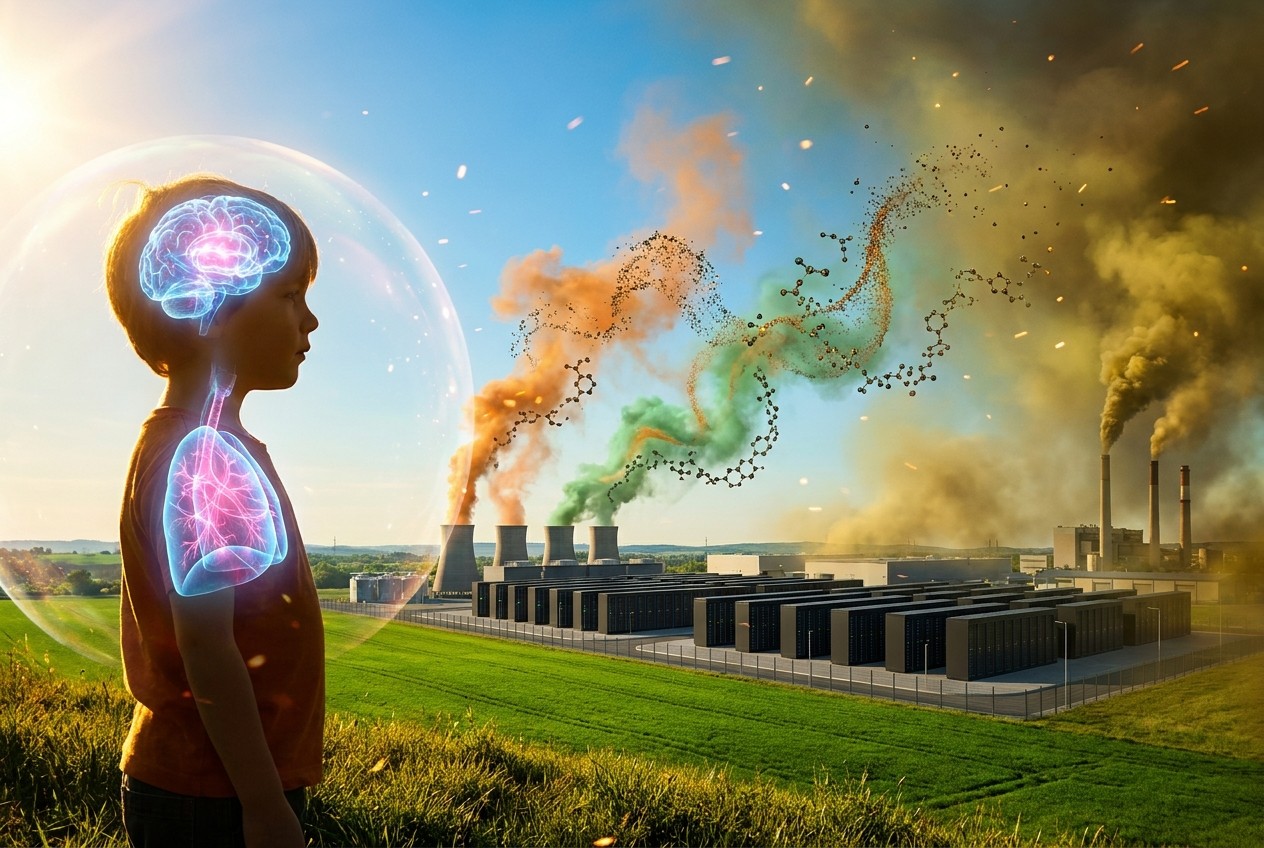
Trump EPA rolls back PFAS protections as 176 million Americans face contaminated tap water
09/23/2026 / By Willow Tohi

- The Trump administration withdrew 2022 EPA guidance that helped states use Clean Water Act authority to prevent PFAS from entering drinking water supplies.
- New EPA data shows 176 million Americans drink PFAS-contaminated tap water, up 4 million from previous estimates.
- The administration also rolled back federal drinking water limits for four cancer-linked PFAS chemicals: GenX, PFBS, PFNA and PFHxS.
- PFAS are “forever chemicals” found in the blood of 99% of Americans, linked to cancer, immune suppression and developmental harm.
- States retain legal authority to regulate PFAS but face confusion and resource gaps after losing federal guidance.
What just happened—and why it matters
The Environmental Protection Agency (EPA) withdrew Biden-era guidance in August 2026 that had encouraged states to use existing Clean Water Act authority to prevent toxic PFAS chemicals from entering drinking water supplies. The move comes as new EPA data reveals 176 million Americans—4 million more than previously known—drink tap water contaminated by these “forever chemicals.” The rollback affects guidance that directed regulators to require industrial facilities like chemical manufacturers to test wastewater for PFAS and implement cleanup technology. This reversal has alarmed public health advocates, who argue that without federal pressure, many facilities will simply halt voluntary testing and discharge reduction efforts. The guidance withdrawal also removes a critical tool for states trying to curb pollution at its source, before it reaches rivers and reservoirs used for drinking water. Experts warn that this decision effectively shifts the burden of proof and cleanup costs onto local water utilities and taxpayers, rather than the industries that produce and release these persistent toxins.
The scale of contamination
Independent research from the Environmental Working Group (EWG) estimated in 2020 that more than 200 million Americans could have PFAS in their drinking water at concentrations of 1 part per trillion (ppt) or higher—a level that independent scientists and EWG consider the maximum safe threshold. The new EPA data confirms contamination is worsening, with 2,230 locations across 49 states now known to have PFAS contamination. The chemicals have been detected in major metropolitan areas including Miami, Philadelphia and New Orleans. Furthermore, a peer-reviewed study published in Environmental Science & Technology Letters analyzed data from the EPA, U.S. Geological Survey and multiple states, concluding that PFAS are likely detectable in all major U.S. water supplies, especially those using surface water. The study’s lead author emphasized that drinking water remains a significant source of exposure, and that the new findings show PFAS pollution affects even more Americans than previously estimated.
A pattern of regulatory reversal
The August memo represents the third major PFAS rollback under the current administration. In May 2026, the EPA proposed rescinding federal limits for four PFAS chemicals—GenX, PFBS, PFNA and PFHxS—that the Biden administration had set in 2024. The agency also abandoned a risk assessment of PFAS-contaminated sewage sludge used as fertilizer, despite its own 2026 analysis finding that even low levels of PFOA and PFOS in sludge could elevate cancer risk. Critics note a troubling disconnect: While the EPA’s own interim safety levels previously acknowledged that “new science” indicates negative health effects may occur with PFOA or PFOS concentrations “near zero,” the agency’s current regulations propose limits considerably higher than what its own scientists deemed safe. This shift, according to advocacy groups like EWG, reflects undue influence from the chemical industry, which continues to fight stringent regulation of the 12,000 PFAS chemicals in commercial use.
Health costs of inaction
PFAS, used since the 1940s in nonstick cookware, food packaging, firefighting foam and countless industrial applications, never break down in the environment—earning them the name “forever chemicals.” The Centers for Disease Control and Prevention (CDC) has found these chemicals in the blood of virtually every American, including newborns. Peer-reviewed studies link very low doses—even below 1 ppt—to suppressed immune systems, elevated cancer risk, reproductive and developmental harm, and reduced effectiveness of medications in children. A 2018 CDC review challenged the EPA’s earlier safety determinations, finding health threats at levels far below what the agency had considered safe. Despite this growing body of evidence, the EPA has only issued an inadequate lifetime health advisory of 70 ppt for PFOA and PFOS, a level many scientists consider dangerously high. With no national drinking water standard currently enforceable, communities remain exposed to a cocktail of toxic chemicals that accumulate in their bodies over a lifetime.
State authority remains—but challenges persist
Legal experts note states still have authority to use Clean Water Act tools and drinking water standards when permitting industrial polluters. New Jersey became the first state to set enforceable limits, establishing 13 ppt for PFOS and 14 ppt for PFOA, as well as a 13 ppt limit for PFNA. California, Michigan, New Hampshire, New York and Vermont have followed suit with their own standards or proposed limits. However, the withdrawn guidance creates confusion and weakens states’ ability to control industrial PFAS sources, according to environmental attorneys. Without clear federal direction, states face legal challenges from industry groups arguing that inconsistent state-level standards burden interstate commerce. Moreover, many states lack the resources to conduct the extensive testing and enforcement needed to address contamination at more than 2,200 known sites, including over 300 military installations where PFAS firefighting foam has seeped into groundwater.
The path forward
The PFAS Action Act, passed by the House, would set deadlines for limiting industrial discharges, establish a two-year timeline for a national drinking water standard for PFOA and PFOS, and designate PFAS as “hazardous substances” under the Superfund law to facilitate cleanup of legacy pollution. However, the Senate has refused to act, stalling bipartisan congressional efforts to protect communities. With 83% of Americans believing the government must do more to protect people from harmful chemicals, according to a Pew survey, the gap between public concern and federal action continues to widen. As EWG Senior Vice President Scott Faber stated, “The first step in addressing any contamination crisis is to stop the source. The second step is to establish a drinking water standard, and the third is to clean up legacy pollution.” Without congressional movement, the responsibility for safe drinking water—and the health costs of inaction—will remain with local communities and state governments, many of which are already overwhelmed by the scale of the PFAS crisis.
Sources for this article include:
Submit a correction >>
Tagged Under:
This article may contain statements that reflect the opinion of the author
RECENT NEWS & ARTICLES