The nitrate paradox: How spinach protects the brain while tap water may pose a hidden risk
10/11/2026 / By Ava Grace
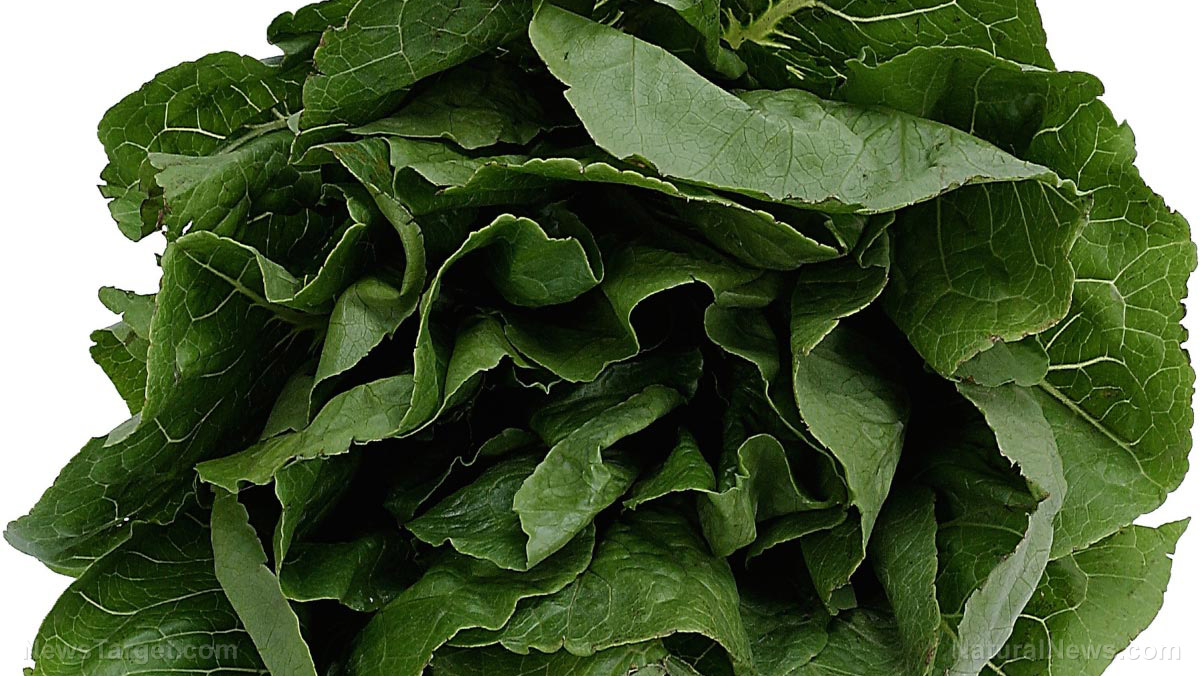
- A 27-year study found that nitrate from vegetables is linked to a lower risk of dementia, while nitrate from processed meats and tap water is associated with a higher risk.
- Vegetables deliver nitrate with antioxidants that promote its conversion to beneficial nitric oxide. Processed meats contain compounds that can steer nitrate toward forming harmful molecules linked to brain cell damage.
- Increased dementia risk was associated with nitrate levels in drinking water far below current U.S. safety limits, suggesting regulations set for acute infant poisoning may not protect against long-term brain health risks.
- Consuming about 64 mg of nitrate daily from vegetables—equivalent to roughly half to one-and-a-half cups of raw leafy greens—was linked to the lowest dementia rates.
- The research emphasizes that a nutrient’s effect is fundamentally altered by its source and dietary context, strengthening advice to eat more plants and limit processed meats for brain health.
In a finding that underscores a critical nuance in nutritional science, a landmark 27-year study has revealed that not all nitrates are created equal. Danish researchers tracking over 54,000 adults discovered that the chemical compound nitrate, found in both spinach and tap water, has starkly opposite associations with dementia risk depending on its source. The research, published in the journal Alzheimer’s & Dementia, suggests that while nitrate from vegetables is linked to a lower likelihood of dementia, nitrate from processed meats and drinking water—even at levels deemed safe by regulators—is associated with a higher risk.
The source is everything
The study, which followed participants from 1993 until 2020, recorded 4,750 dementia cases. Analysis showed a clear divergence: Adults who consumed the most nitrate from vegetables had an 11% lower rate of dementia compared to those who ate the least. Conversely, high intake of nitrate from animal sources, like processed meats, correlated with an 11% higher rate. Most surprisingly, the highest exposure to nitrate from tap water was linked to a 14% increase in dementia incidence.
The patterns were even more pronounced for early-onset dementia, which occurs before age 65. Among the 191 such cases identified, high vegetable nitrate intake was associated with a 39% lower rate. Alarmingly, high nitrate intake from animal sources was linked to a 73% higher rate for this younger demographic, highlighting a potentially powerful modifiable risk factor during peak life and career years.
Why a single chemical acts like two
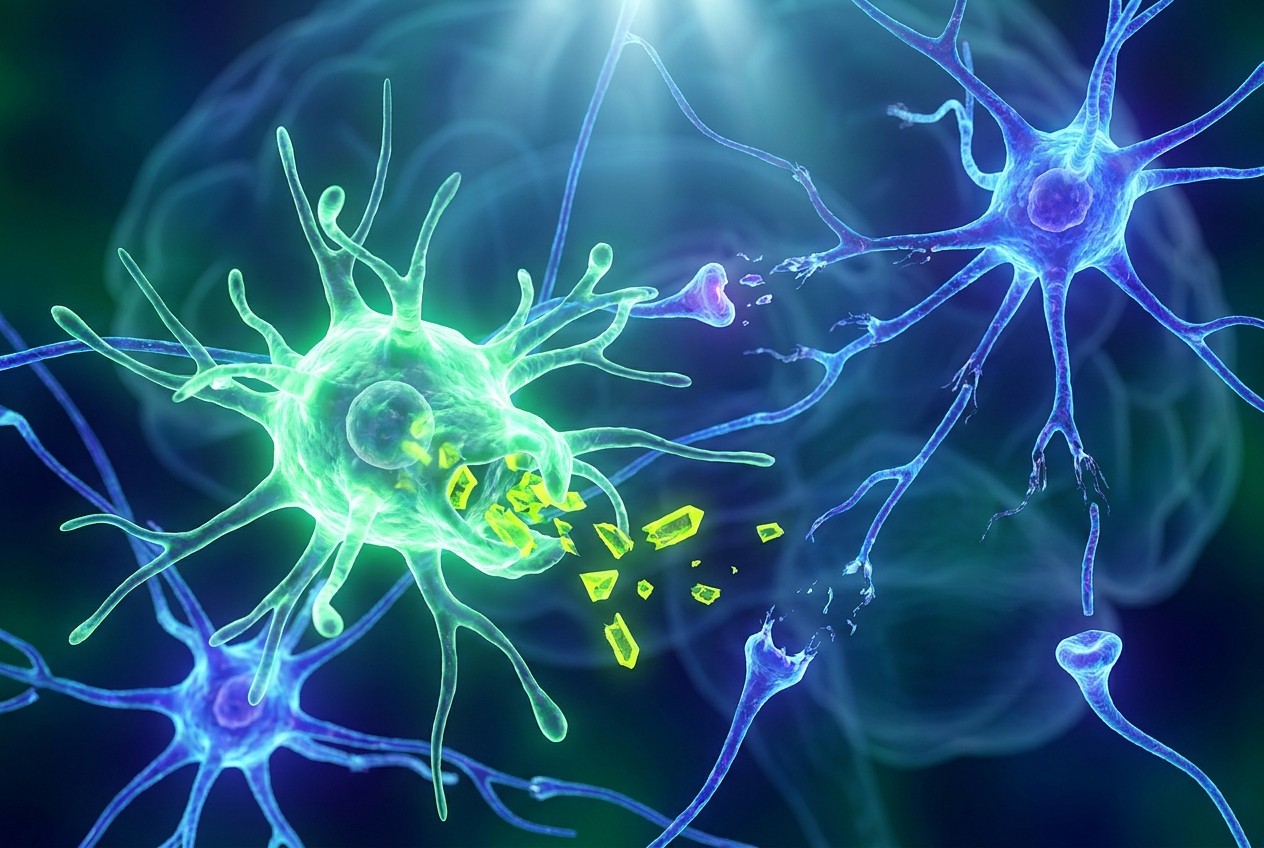
The explanation lies in biochemistry and context. In the body, nitrate converts to nitric oxide, a vital molecule for keeping blood vessels flexible and ensuring proper blood flow to the brain. Vegetables deliver nitrate packaged with protective antioxidants like vitamin C and polyphenols. These compounds help steer nitrate toward forming beneficial nitric oxide while blocking its conversion into harmful molecules called N-nitrosamines, which animal studies have linked to brain cell damage.
Meat, however, presents a riskier biochemical package. It contains elements like heme iron and specific proteins that can promote the formation of those damaging N-nitrosamines. This creates a scenario where the same initial compound—nitrate—can lead to vastly different outcomes in the brain.
The tap water conundrum
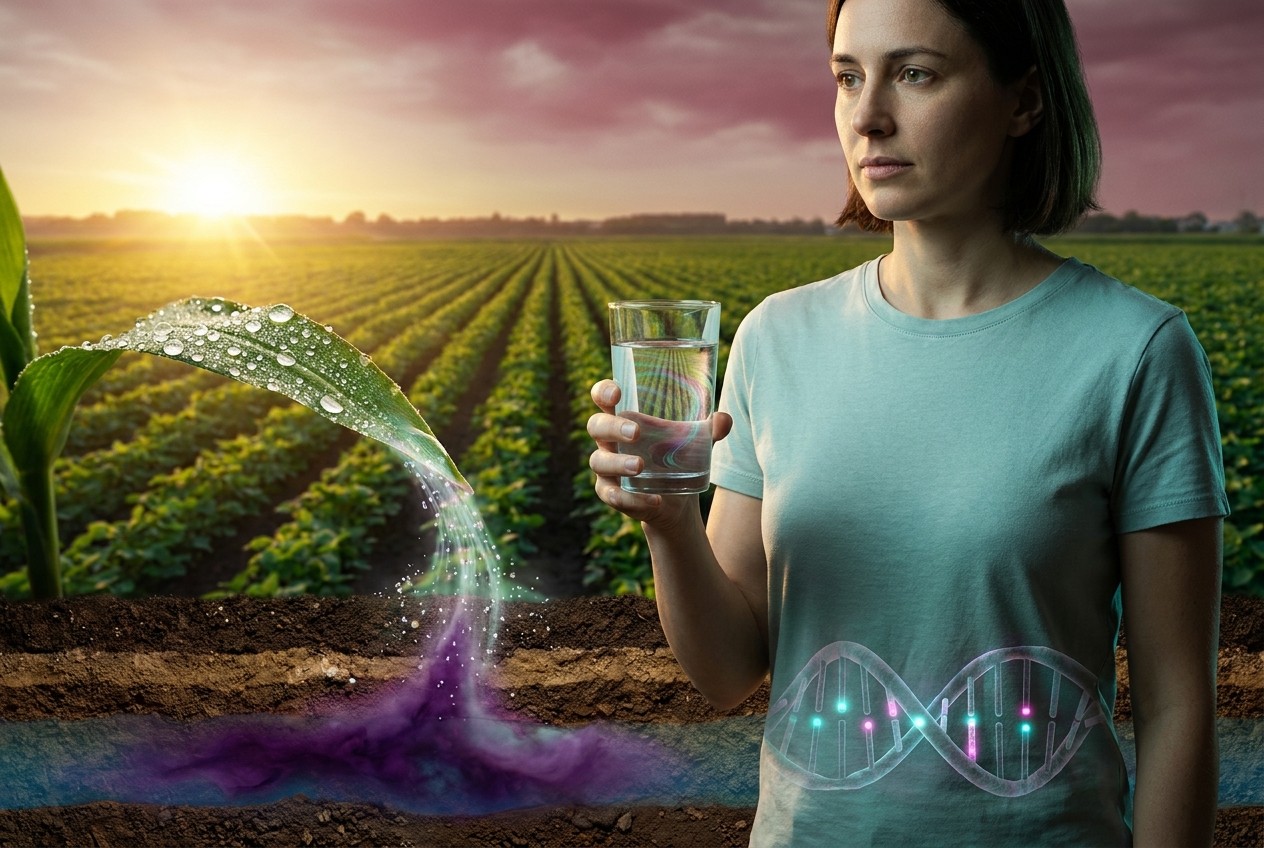
One of the study’s most significant public health implications involves tap water. Researchers found elevated dementia rates associated with nitrate concentrations between 1.8 and 5.1 milligrams per liter. These levels are roughly one-tenth of the current U.S. Environmental Protection Agency safety limit of 44 mg/L, a standard set decades ago primarily to prevent acute infant illness, not long-term brain health in adults.
The primary source of water nitrate is agricultural fertilizer runoff. The study could not definitively say whether the risk stems from nitrate itself, N-nitrosamines that may form in the water or other co-contaminants from farmland. The association persisted even after accounting for participants who moved, suggesting a sustained exposure effect.
Limitations and strengths of a decades-long look
As an observational study, this research can identify associations but cannot prove direct causation. It relied on dietary questionnaires filled out at the study’s start, which may not reflect changes over 27 years and can be imperfect. The participant pool was also primarily white, limiting generalizability.
However, its strengths are considerable: a massive sample size, follow-up spanning decades and the use of robust national health registries. The researchers meticulously accounted for factors like smoking, education and exercise and the biologically plausible, source-specific pattern adds weight to the findings.
The research translates the benefit into a tangible dietary goal. The group with the lowest dementia rates consumed about 64 milligrams of nitrate daily from vegetables. This equates to a highly achievable intake of roughly half a cup to one-and-a-half cups of raw leafy greens, such as spinach or lettuce, daily.
Unexpected nuance: Who benefits most?
An intriguing sub-finding suggested that the brain benefits of vegetable nitrate were most apparent in people who were not already consuming high levels of protective antioxidants from other sources, like berries and citrus. For those with already excellent diets, the added boost from leafy greens was minimal. This indicates a potential threshold effect, positioning nitrate-rich vegetables as a particularly powerful tool for improving brain health in individuals with marginal diets.
The current regulatory framework for water nitrate is a relic of a different era of public health. Established to prevent methemoglobinemia or “blue baby syndrome”—a potentially fatal condition in infants—the limits were not designed to evaluate subtle, decades-long neurological risks. This study forces a confrontation between old standards and new science, questioning whether protections against immediate poisoning are sufficient to safeguard long-term cognitive health.
Public health implications and personal action
These findings reinforce long-standing dietary guidance to increase plant intake and limit processed meats, now with a specific brain-health rationale. The study powerfully demonstrates that the mantra “you are what you eat” must be refined to “your brain is how and from where you eat.” A nutrient’s origin and its dietary companions can fundamentally alter its effect on the body.
“Nitrate is a form of nitrogen found in compounds like nitrates,” said BrightU.AI‘s Enoch. “It is a key nutrient for plant growth but can become a pollutant in water. The process of nitrate reduction converts nitrates into other nitrogen forms.”
This decades-long research project delivers a clear, dual message. First, it offers an encouraging affirmation: A modest daily serving of leafy green vegetables is a accessible strategy linked to supporting lifelong brain health. Second, it sounds a cautionary note, suggesting that chronic exposure to low-level environmental nitrates, previously considered harmless, may quietly elevate dementia risk at a population level. In the urgent global fight against dementia, where cures remain elusive, this research underscores that prevention may hinge not just on what we consume, but on the intricate journey our food and water take to reach us.”
Nitrate pollution in drinking water is linked to birth defects. Watch this video.
This video is from the Daily Videos channel on Brighteon.com.
Sources include:
Alz-Journals.OnlineLibrary.wiley.com
Submit a correction >>
Tagged Under:
This article may contain statements that reflect the opinion of the author
RECENT NEWS & ARTICLES