Common packaging plastic may worsen fatty liver disease, mouse study finds
10/12/2026 / By Cassie B.

- Texas A&M University researchers found that polyethylene microplastics may contribute to fatty liver disease in mice.
- Polyethylene makes up about one-third of global plastic production and is used in food wrappers, containers and cup linings.
- The plastic raised signs of liver disease on its own and made them worse alongside a diet high in fat, fructose and cholesterol.
- Outside expert Dr. Nhan Nguyen cautioned that the effect has not been shown in people.
- Researchers next plan to study liver scarring, other microplastics and whether chemicals clinging to the plastic play a role.
Scientists at Texas A&M University have found that polyethylene, the most widely produced plastic in the world, may contribute to fatty liver disease in mice, especially when combined with an unhealthy diet. The surprising findings from the College of Veterinary Medicine and Biomedical Sciences suggest that this common plastic, long considered biologically inert, can independently increase signs of fatty liver disease and worsen those signs when paired with foods loaded with fat, cholesterol and fructose. The research, published in Science Advances, used a gene-mapping technique to show where in the liver the damage occurs.
Polyethylene’s overlooked role in liver health
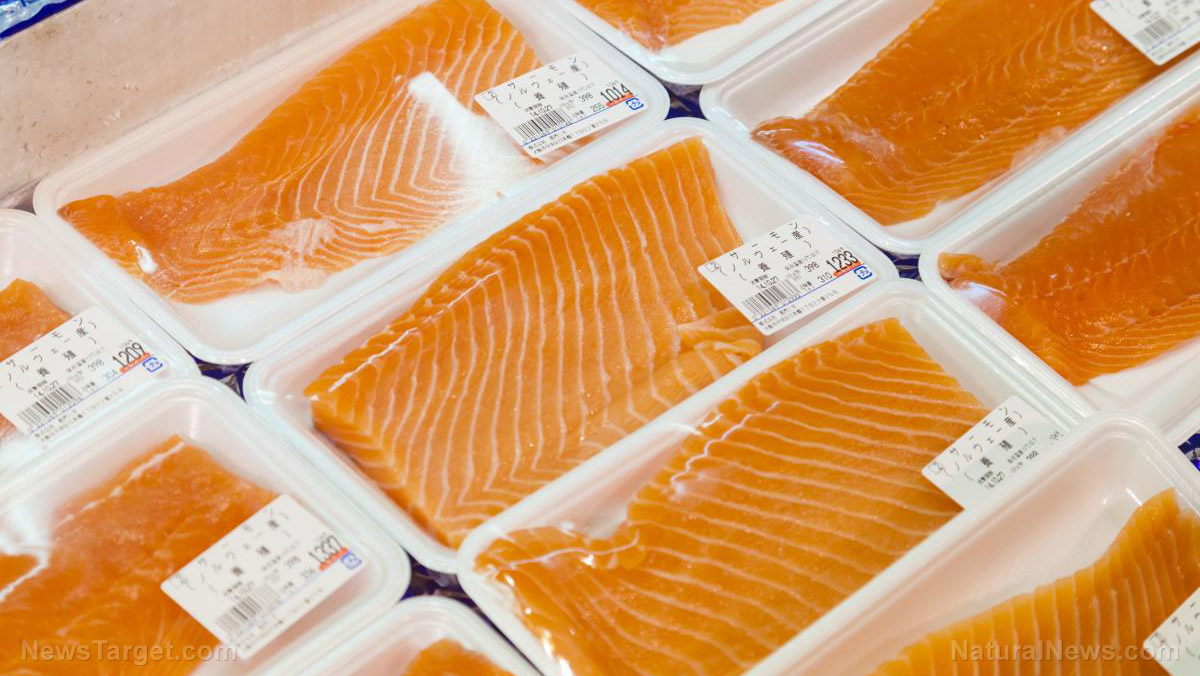
Polyethylene accounts for roughly one-third of all plastic production globally, appearing in food wrappers, storage containers, beverage cup linings and countless other everyday items. Dr. Adi Joshi, associate professor in the Department of Veterinary Physiology and Pharmacology at Texas A&M, said no earlier studies had examined polyethylene’s effect on liver health, even though it is the most widely produced plastic.
The research team found that exposure to polyethylene alone increased signs of fatty liver disease, a condition affecting about 25% of the global population, according to the American Liver Foundation. When combined with a Western-style diet, the indicators became more severe.
“Those who have a more Western-style diet, including foods like burgers and sodas, may have a greater chance of progressing to fatty liver disease if they are also exposed to polyethylene,” Joshi said.
Gene mapping reveals where polyethylene damages the liver
To understand how polyethylene affects the liver at a molecular level, the Texas A&M team joined forces with researchers at the University of Oklahoma. They employed a technique called spatial transcriptomics, which measures gene activity in tissue while recording where each cell is located.
The technique showed where in the liver damage occurred after polyethylene exposure. The analysis singled out PPAR-alpha, a protein that helps the liver process fats, as an important factor in how the organ responds to the plastic. The study also implicated another factor, a gene called ANXA2, which helps repair damaged tissue.
Joshi said mapping these pathways may someday guide the development of treatments that shield the liver from microplastic damage.
Liver scarring and other microplastics
Beyond the immediate findings, the research raises questions about whether polyethylene could lead to more serious liver conditions. The team plans to investigate whether the plastic plays a role in fibrosis, in which ongoing liver injury produces scarring that impairs the organ. Joshi also emphasized the need to examine other types of microplastics, which may prove harmful too.
Dr. Nhan Nguyen, who was not involved in the research, told Newsweek the findings deserve attention but do not prove harm in people. The pathway the study highlighted exists in humans, he said, and traces of polyethylene have turned up in human livers before. Still, he cautioned that the work was done in mice. “It has NOT been shown in people, and the dose question matters,” he said.
Why a mouse study still warrants scrutiny
The Texas A&M study raises questions about the assumption that polyethylene is biologically inert, suggesting that this common plastic may interact with the body’s metabolic and repair systems in ways previously unrecognized. Joshi told Newsweek the damage could also stem from toxic chemicals clinging to the plastic’s surface, which the team also hopes to test.
Joshi said the polyethylene that worries him most is the kind in direct contact with food and hot drinks, since people may swallow tiny amounts again and again. Until researchers sort out how much exposure matters, people are left to decide for themselves how much plastic they want between their food and their mouths, and what else is on the plate.
Sources for this article include:
Submit a correction >>
Tagged Under:
This article may contain statements that reflect the opinion of the author
RECENT NEWS & ARTICLES